French Bulldog Food Allergies: When the Skin Problem Starts in the Bowl
Itchy paws, recurring ear infections, room-clearing gas and soft stool — French Bulldog owners usually treat these as four separate problems and burn through shampoos, ear drops and probiotics one at a time. In this breed they are frequently one problem: a reaction to a protein in the bowl. This guide maps the chain, and explains the two tools that actually resolve it — a structured elimination trial, and hydrolyzed food when the trial keeps failing.
Last updated 2026-08-14 · Not veterinary advice — for a dog with active symptoms, the first step is always your vet.
At a glance
- The cause: itchy paws, ear infections and gas in a Frenchie are frequently one problem — a reaction to a food protein, most often chicken.
- The diagnosis: an 8–12 week strict elimination diet trial on a single novel protein — the veterinary standard, and the only reliable one.
- When trials keep failing: a prescription hydrolyzed diet (e.g. Royal Canin Hydrolyzed Protein HP) removes the trigger instead of guessing at it.
The allergy chain: gut first, skin second
Food reactions in Frenchies rarely announce themselves as “the food is the problem.” They show up as a chain, and each link sends owners down a different rabbit hole:
- 1. The trigger. A protein the immune system has decided to fight — most often one the dog has eaten for months or years, since food allergies build up with exposure rather than appearing on first contact.
- 2. The gut. Gas, soft stool, more frequent poops, the occasional vomit. Owners usually blame the speed of eating or a “sensitive stomach” — which is real, but often downstream of the protein.
- 3. The skin. Itchy paws, face rubbing, armpit and belly redness. The constant scratching and paw licking that follow can rub skin raw into moist hot spots. In Frenchies the skin folds and narrow ear canals trap moisture, so low-grade inflammation turns into yeast and ear infections that keep coming back no matter how often they’re treated.
- 4. The cycle. Each symptom gets its own product — an allergy shampoo, an ear cleaner, a probiotic — and each one helps briefly. The community pattern is painfully consistent: owners describe two or more years of exactly this loop before anyone points at the bowl.
The uncomfortable part: there is no blood test that reliably finds the culprit. The diagnostic standard is a strict elimination diet trial — which is work, but it’s also cheaper than the cycle it replaces.
The usual suspects: beef, dairy, wheat — and chicken
Across published allergy work-ups in dogs, the allergens most often implicated are beef, dairy, wheat, and chicken — with chicken drawing the most attention in the Frenchie community specifically. That creates a trap, because chicken is also the most common protein in mainstream dog food, including many formulas marketed as “sensitive stomach” (check the full ingredient panel for chicken meal, chicken fat and natural flavors derived from chicken — not just the first ingredient).
Grains get blamed often, but true grain allergies are less common than protein reactions. Switching to grain-free does not remove chicken — and it adds a separate concern: the FDA’s ongoing investigation into diet-associated DCM has not cleared grain-free formulas built on peas, lentils or potatoes as primary ingredients. Our default advice for this breed stays grain-inclusive unless a vet says otherwise.
Route A: the elimination trial (start here)
The veterinary standard: feed a single protein source your dog has never eaten, strictly, for 8–12 weeks. No treats, no table scraps, no flavored chewable medications outside the trial. Then reintroduce the old food — if the symptoms return, you have your answer. Gut signs usually improve within weeks; skin and coat take longer to settle.
For a chicken-reacting Frenchie, salmon is the most practical novel protein on Amazon — it’s widely available, and fish-based formulas double as an omega-3 source for the skin. Two honest caveats: both picks below are grain-free, so run them past your vet given the DCM caution above, and a limited-ingredient diet is a diagnostic tool — buy it for a trial, not as a forever default without reason.
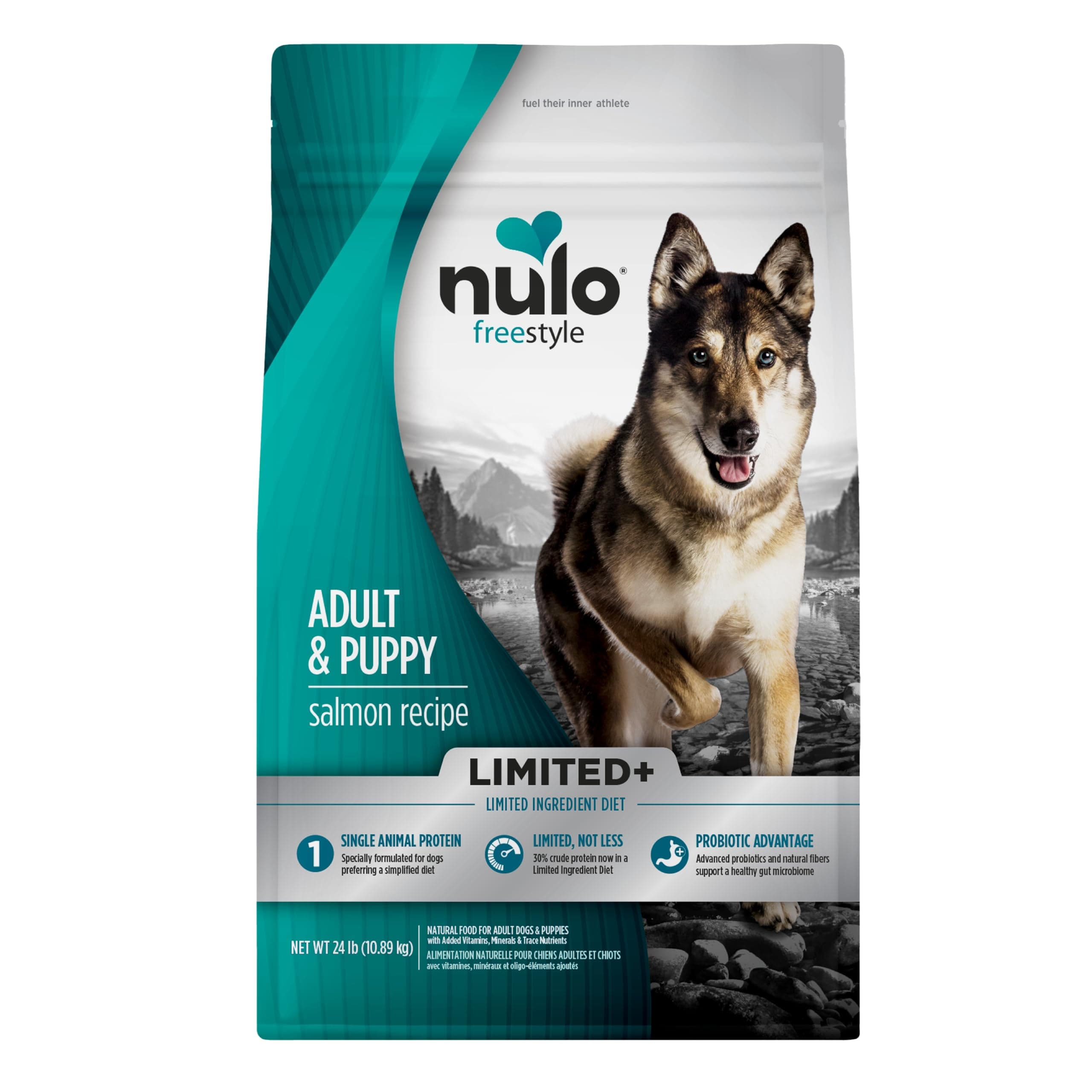
Strictest chicken-free option
Nulo FreeStyle Limited Ingredient Dry Dog Food (Salmon Recipe, 24 lb)We verified the full label: deboned salmon first, no chicken meal, fat or broth anywhere on the panel. The cleanest elimination candidate on this page — at $3.83/lb it costs like a therapeutic diet, which is fine for a 10-week trial and less fun forever.
Check price on Amazon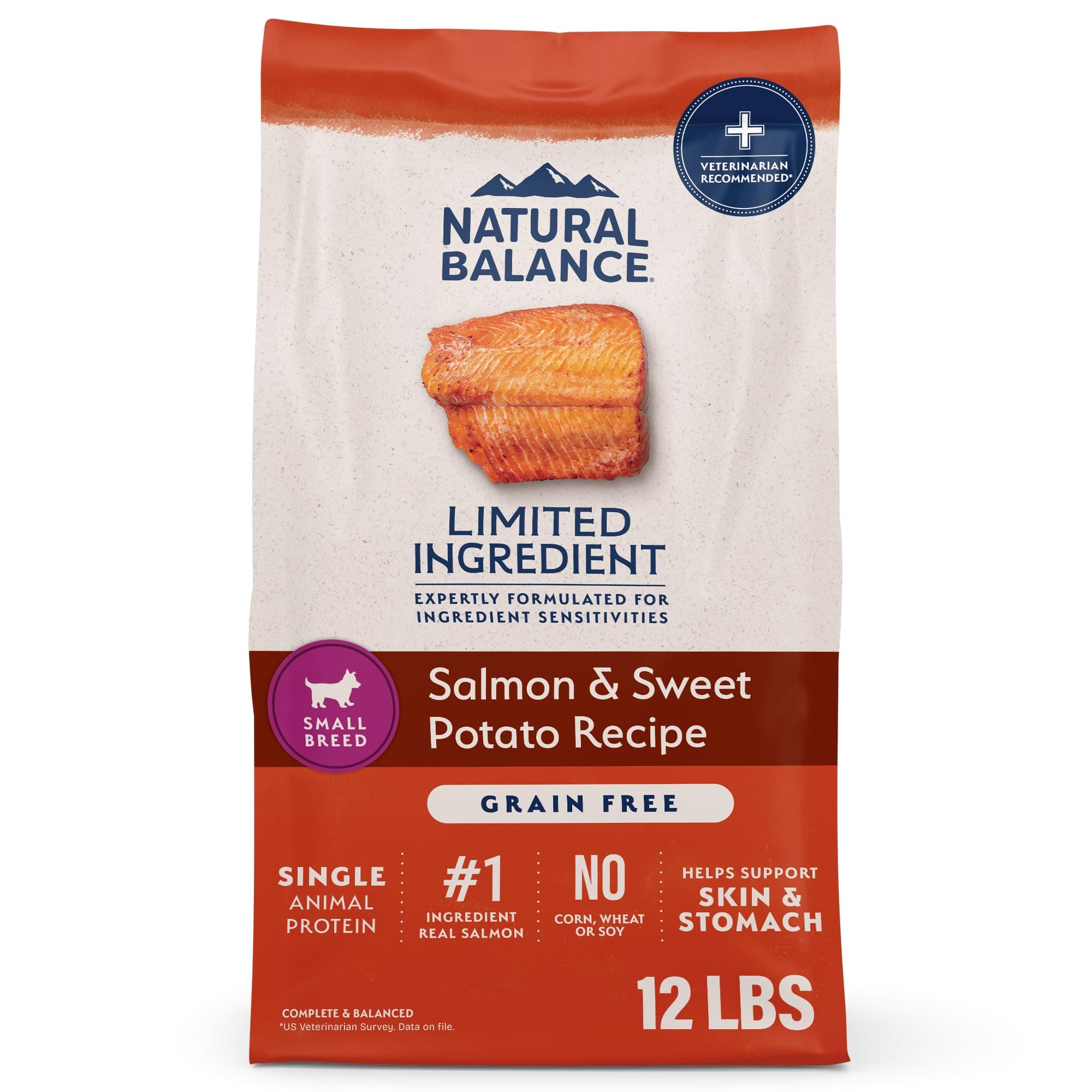
Small-kibble L.I.D. for trial use
Natural Balance L.I.D. Salmon & Sweet Potato Dry Dog Food (Small Breed, 12 lb)Single animal protein on a minimal panel — the standard shape of an elimination diet. Smaller kibble suits the Frenchie jaw. Reserve it for the trial itself; if the trial clears your dog, you can then shop for a cheaper long-term salmon formula.
Check price on AmazonThe two routes at a glance
| Elimination trial (Route A) | Hydrolyzed food (Route B) | |
|---|---|---|
| What it does | Feeds one novel protein strictly, then re-challenges to confirm the trigger | Breaks protein into peptides too small for the immune system to recognize |
| Duration | 8–12 weeks strict | Vet sets the protocol; response often within weeks |
| Prescription | No — OTC food | Yes — vet approval verified at checkout |
| Rough cost | ~$3.80/lb limited-ingredient formula | ~$5.65/lb therapeutic diet |
| Best for | The first structured attempt — start here | Multi-protein allergies or repeated trial failures |
Route B: hydrolyzed food (when the trial keeps failing)
If your Frenchie has been through chicken, salmon and lamb without relief — or reacts to so many proteins that a clean trial is impractical — this is the tool your vet will reach for. Hydrolyzed diets break the protein into peptides too small for the immune system to recognize. Instead of guessing which protein is the trigger, they remove the trigger’s ability to trigger. Community reports consistently rank hydrolyzed food as the single most impactful change for dogs that failed every other swap.
Three honest caveats before you buy. One: it’s prescription-gated in the US — Amazon verifies vet approval at checkout, so talk to your vet first (which is also just good medicine at this stage). Two: the protein is hydrolyzed soy, but the panel still lists chicken fat; hydrolyzed fat rarely triggers a reaction, but a strict zero-chicken case should flag it with the vet. Three: at roughly $5.65/lb it’s the most expensive formula we track, and price is by far its most common review complaint.
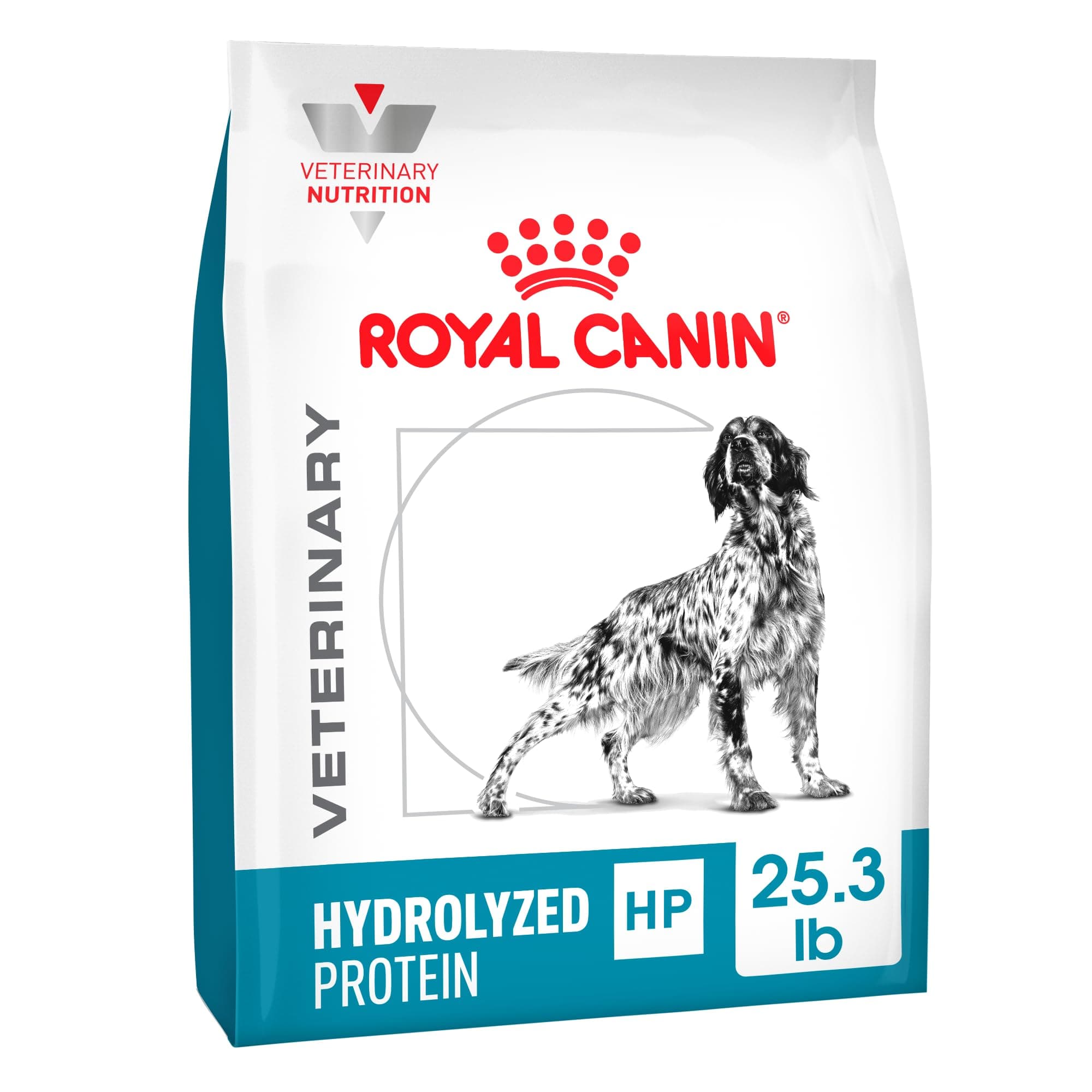
The clinical tool
Royal Canin Veterinary Diet Hydrolyzed Protein Adult Dry Dog Food (25.3 lb)Veterinary-exclusive hydrolyzed soy protein with EPA + DHA dosed for allergic skin. This is not a casual add-to-cart: it needs vet approval, and it's priced like the therapeutic diet it is. For multi-protein allergies, it's usually the end of the search.
Check price on AmazonWhile the skin recovers
Once the trigger is out of the bowl, the skin still needs weeks to repair. Omega fatty acids are the one supplement category with a genuine role here — they support the skin barrier and coat while the inflammation winds down. Set expectations correctly: this is recovery support, not a fix on its own, and owner reports on fish oil are genuinely mixed. If your dog’s food trial is working, give the coat time before adding anything at all.
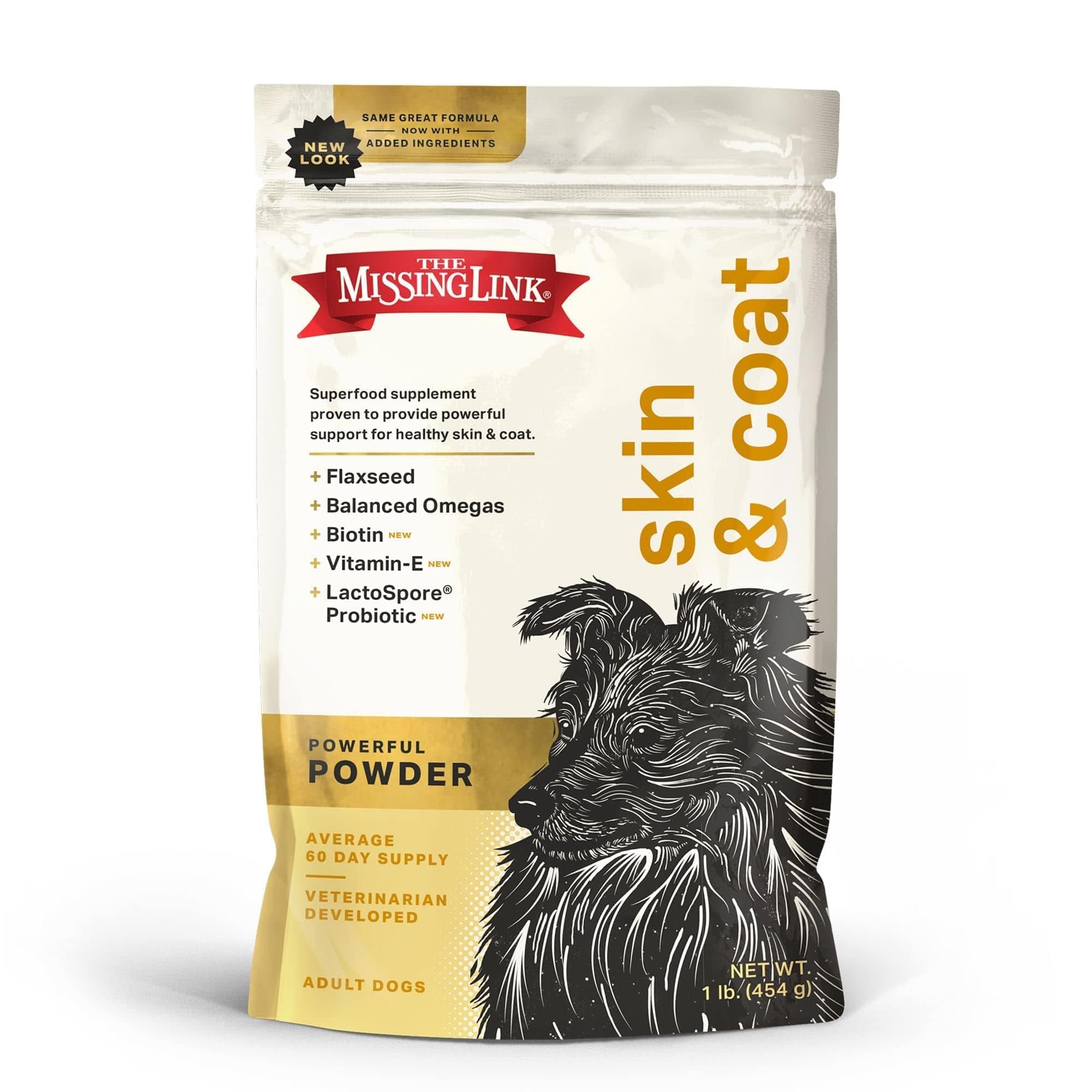
Barrier support during recovery
The Missing Link Skin & Coat Superfood Supplement Powder (1 lb)Whole-food omega blend (flax, salmon meal, kelp) aimed squarely at skin and coat. Chicken-free, which matters on this page. A reasonable add-on once the elimination trial is underway — not a replacement for it.
Check price on AmazonThe cost reality check
Dermatology referrals and allergy medications add up fast, and many Frenchie owners are rightly watching the budget. The uncomfortable math: a 10-week trial on a limited-ingredient formula costs less than one specialist work-up, and it produces an answer that medication only suppresses. Apoquel and Cytopoint are real tools for real suffering — but they manage the itch, they don’t find the trigger. If you can afford only one move this quarter, make it the trial, with your vet setting the protocol.
FAQs
Are French Bulldogs prone to food allergies?
Yes. Food allergy and atopic skin disease are among the most common reasons French Bulldogs see a veterinarian for skin complaints. The breed tends to show food reactions through the skin and ears — itchy paws, recurring ear infections, face rubbing — along with digestive signs like gas and soft stool.
What are the most common food triggers for Frenchies?
Across published allergy work-ups in dogs, beef, dairy and wheat recur as the most frequently implicated allergens, with chicken close behind — and chicken draws outsized attention in the Frenchie community. This guide treats those four as the top suspects. Grain-free marketing blames grains broadly, but wheat is the only grain that shows up near the top of the allergen lists.
What is hydrolyzed dog food, and does it need a prescription?
Hydrolyzed food breaks the protein into peptides too small for the immune system to recognize, which removes the trigger rather than swapping it. Veterinary hydrolyzed diets such as Royal Canin Hydrolyzed Protein HP are prescription-gated in the US: Amazon verifies vet approval at checkout. Ask your vet before starting one.
How long does a food elimination trial take?
The veterinary standard is 8 to 12 weeks of strict single-protein feeding — no treats, table scraps or flavored medications outside the trial diet — followed by reintroducing the old food to confirm the reaction. Most owners see digestive signs improve within weeks, while skin and coat recovery can take longer.
Is a food intolerance the same as a food allergy?
No — though the same trial finds both. An allergy is an immune reaction and usually shows up in skin and ears: itch, scratching, paw licking, recurring ear infections, occasionally hives or a rash-like breakout. An intolerance is digestive — gas, soft stool, vomiting — without the immune component. The 8–12 week elimination trial is the standard test for either, which is why vets rarely distinguish them before starting one.
Should I buy grain-free food for an allergic Frenchie?
Not automatically. The FDA's ongoing investigation into diet-associated DCM has not cleared grain-free formulas built on peas, lentils or potatoes as primary ingredients, so this site prefers grain-inclusive formulas by default. If the allergy work-up points at chicken, the fix is a different protein or a hydrolyzed diet — not necessarily fewer grains.
Keep going
BreedPicks is reader-supported. When you buy through links on this page we may earn an affiliate commission at no extra cost to you. Product data reflects Amazon listings as of 2026-08-14.