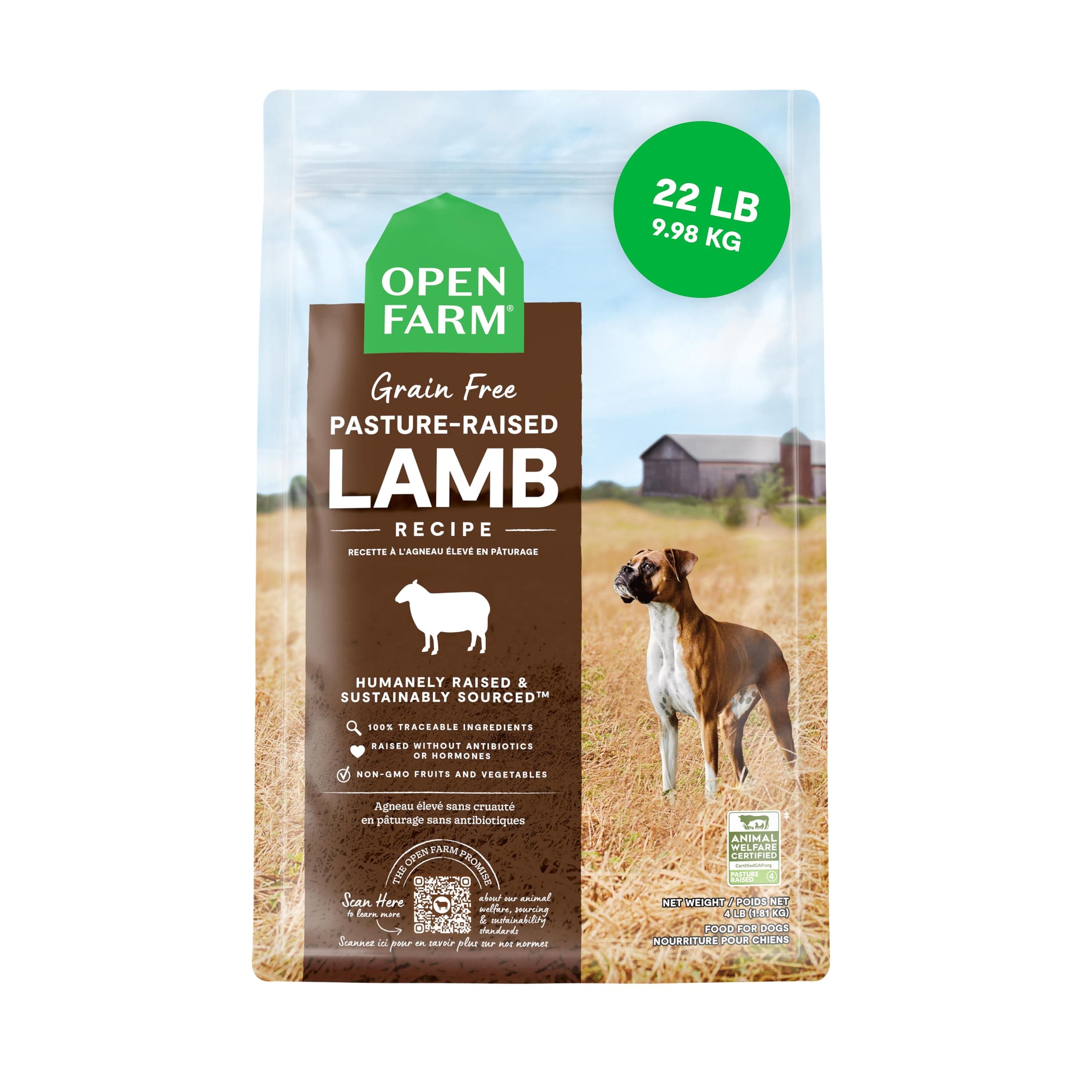
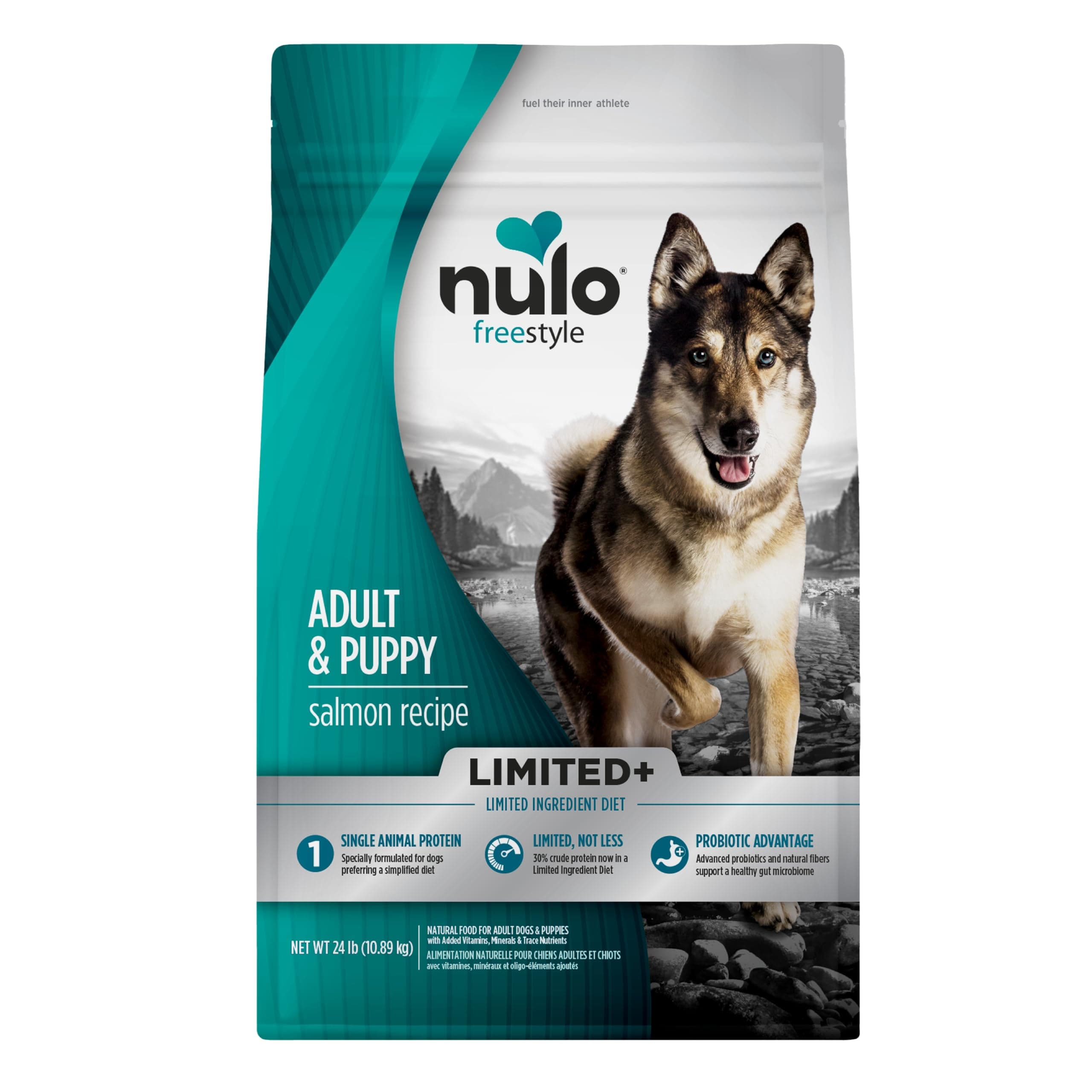
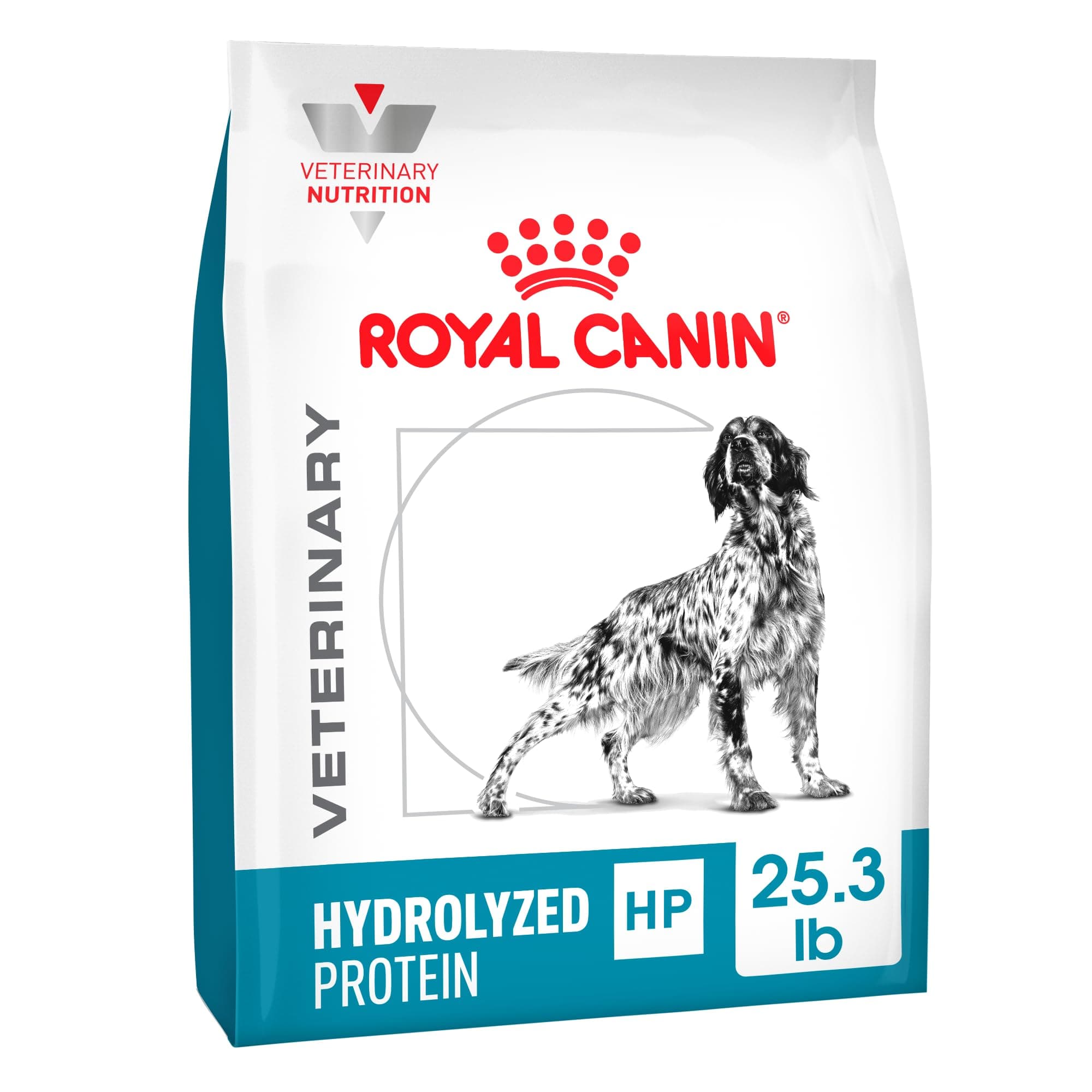
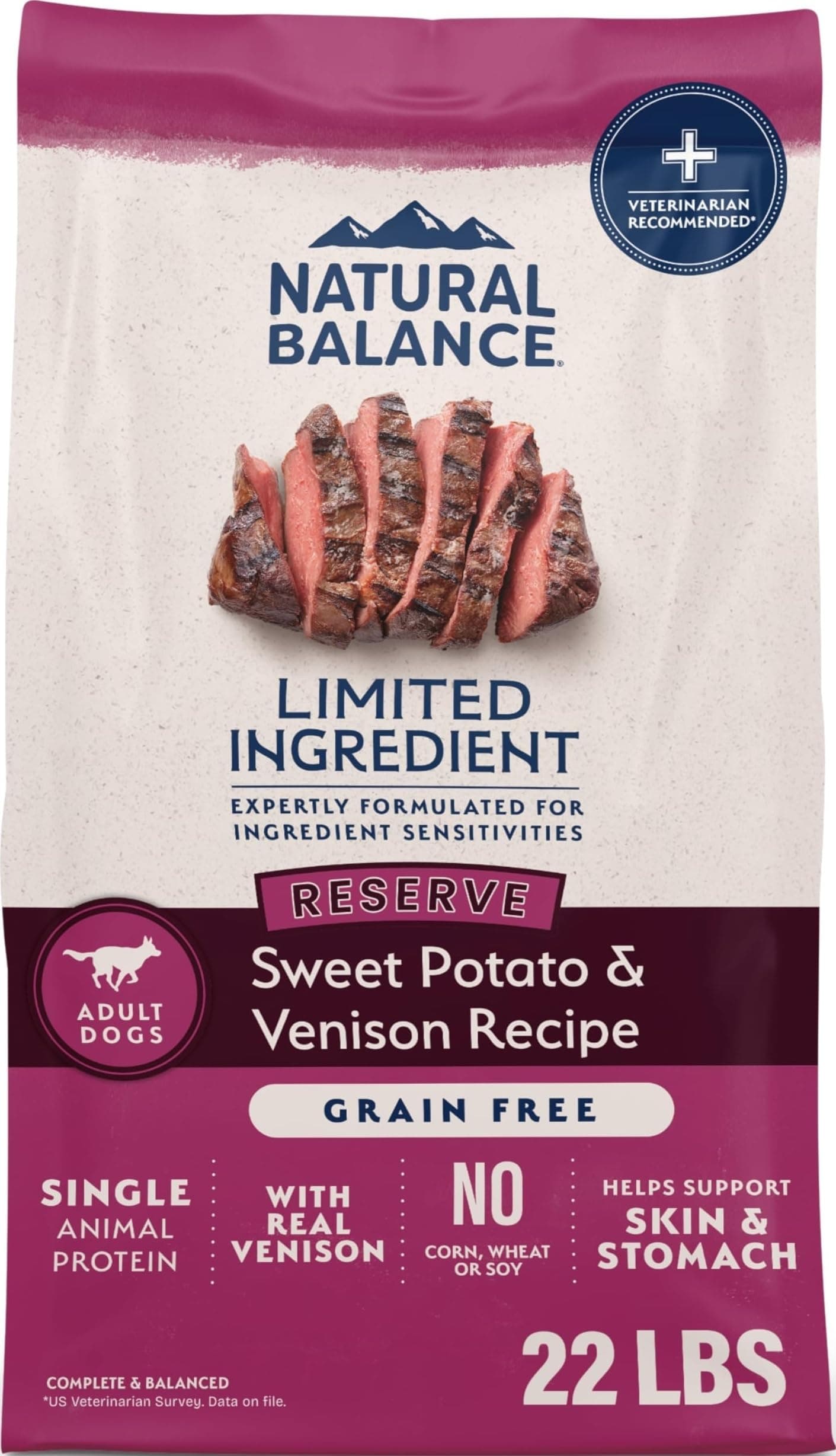
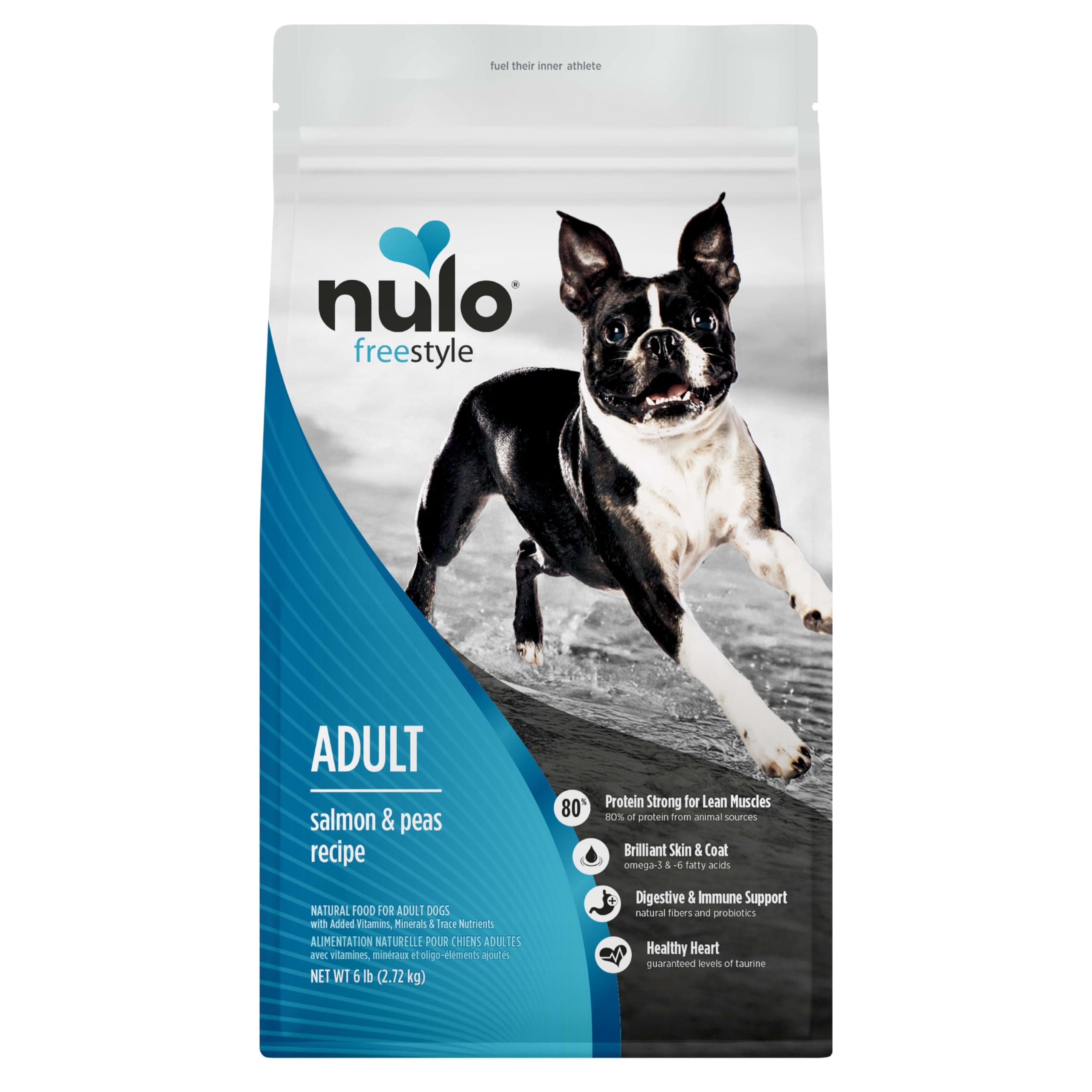
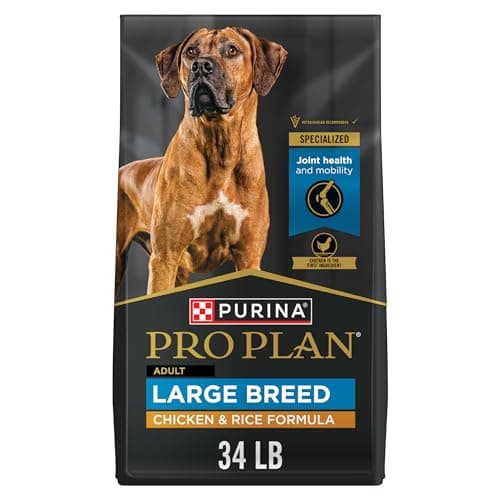
The single most important thing you can do for your Frenchie's diet is measure portions by body condition, not by the bag's feeding chart. Bag charts are calibrated for intact, active dogs. A neutered adult Frenchie living an apartment lifestyle typically needs 20–30% fewer calories than the chart suggests. Weigh your dog, photograph them from above weekly, and aim for a visible waist taper behind the ribs. If you can't see a waist, you're overfeeding — regardless of what formula you're using.
Transition slowly, especially into breed-specific or limited-ingredient formulas. We recommend a 14-day transition (vs. the standard 7) for Frenchies because their gut microbiome is slower to adapt than other breeds. Mix 25% new food for days 1–4, 50% for days 5–8, 75% for days 9–12, and 100% from day 13. Expect softer stool during days 5–8 — this is normal and not a reason to abandon the transition.
Track gas as a diagnostic signal, not just a nuisance. Some gas is normal for Frenchies; sudden increases in gas frequency or odor are often the first sign of a developing food intolerance, well before skin or ear symptoms appear. If gas becomes constant after 30 days on a new formula, the formula is wrong for your dog — even if it works for every other Frenchie on the planet.
Watch for the chicken-elimination test. If your Frenchie has chronic ear infections, paw licking, or facial fold irritation, do a 60-day chicken-free trial before pursuing allergy testing. Chicken is the #1 protein intolerance in this breed and removing it resolves symptoms in roughly 60% of cases. Use a duck, venison, or hydrolyzed formula during the trial — Royal Canin's breed-specific formula, while excellent for most Frenchies, is chicken-based and won't work for this test.
Avoid grain-free unless your vet specifically recommends it. The FDA's ongoing investigation into diet-associated dilated cardiomyopathy has not cleared grain-free formulas, and Frenchies are not a high-DCM-risk breed — meaning there's no upside to grain-free and a real (if small) downside. Rice, oats, and barley are appropriate carbohydrate sources for this breed.