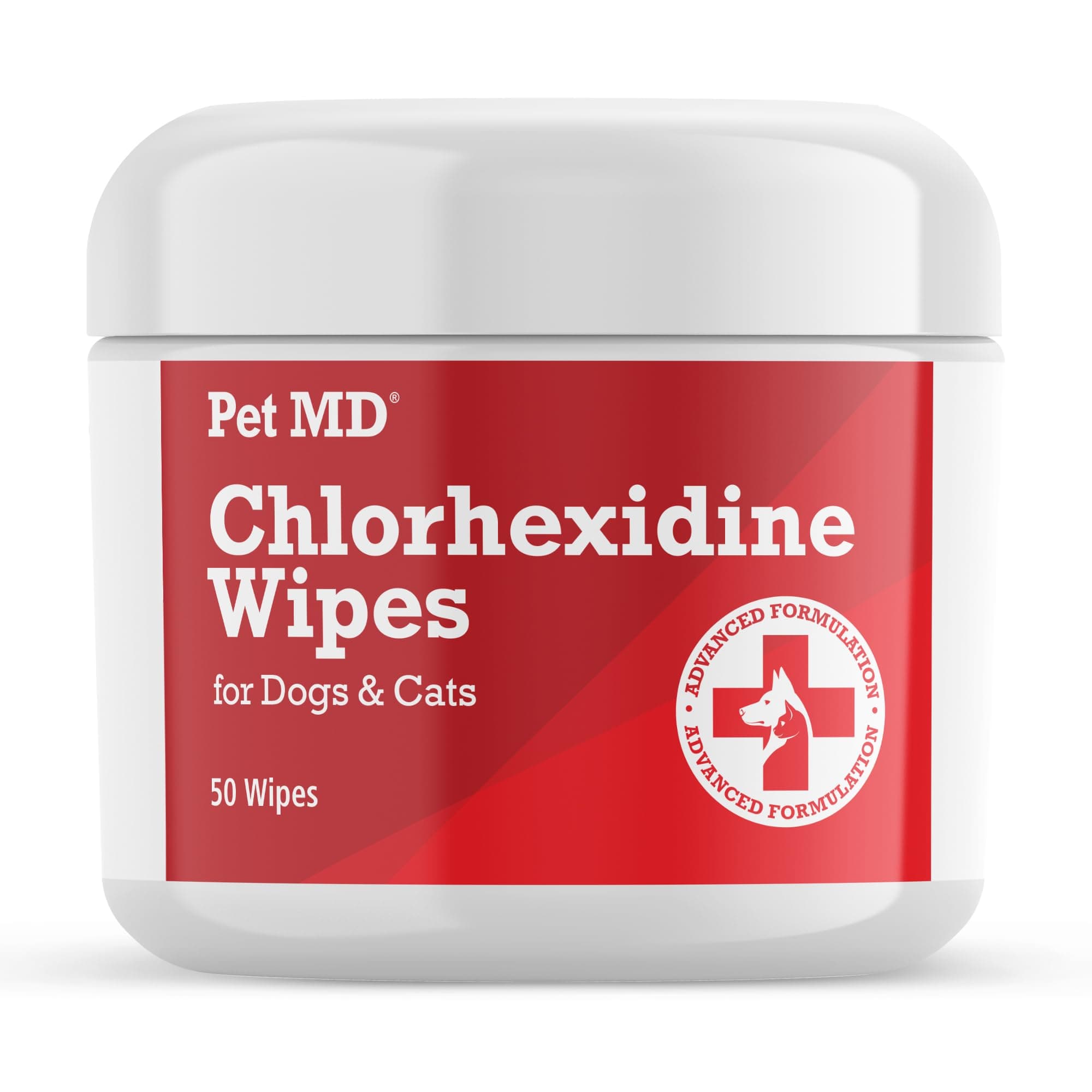
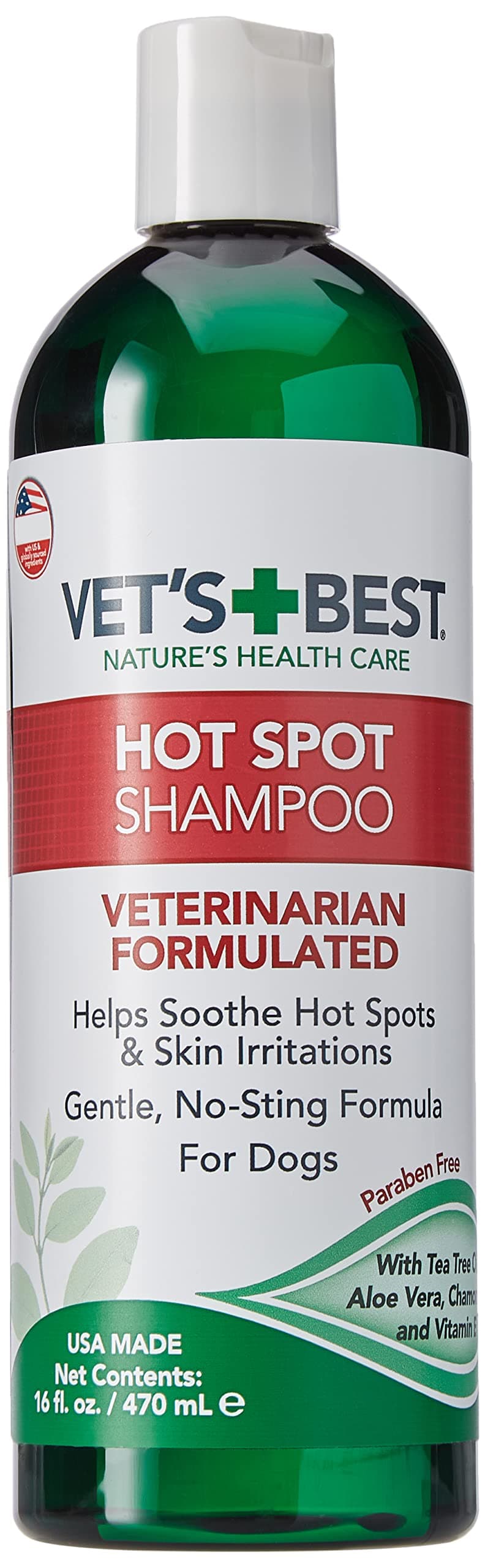
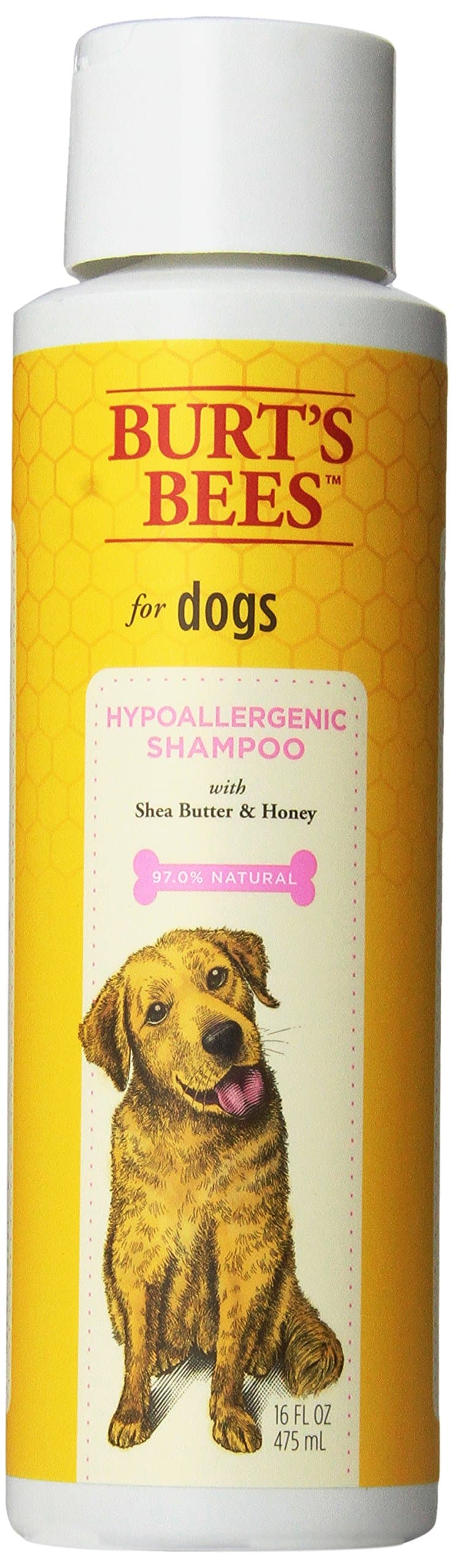
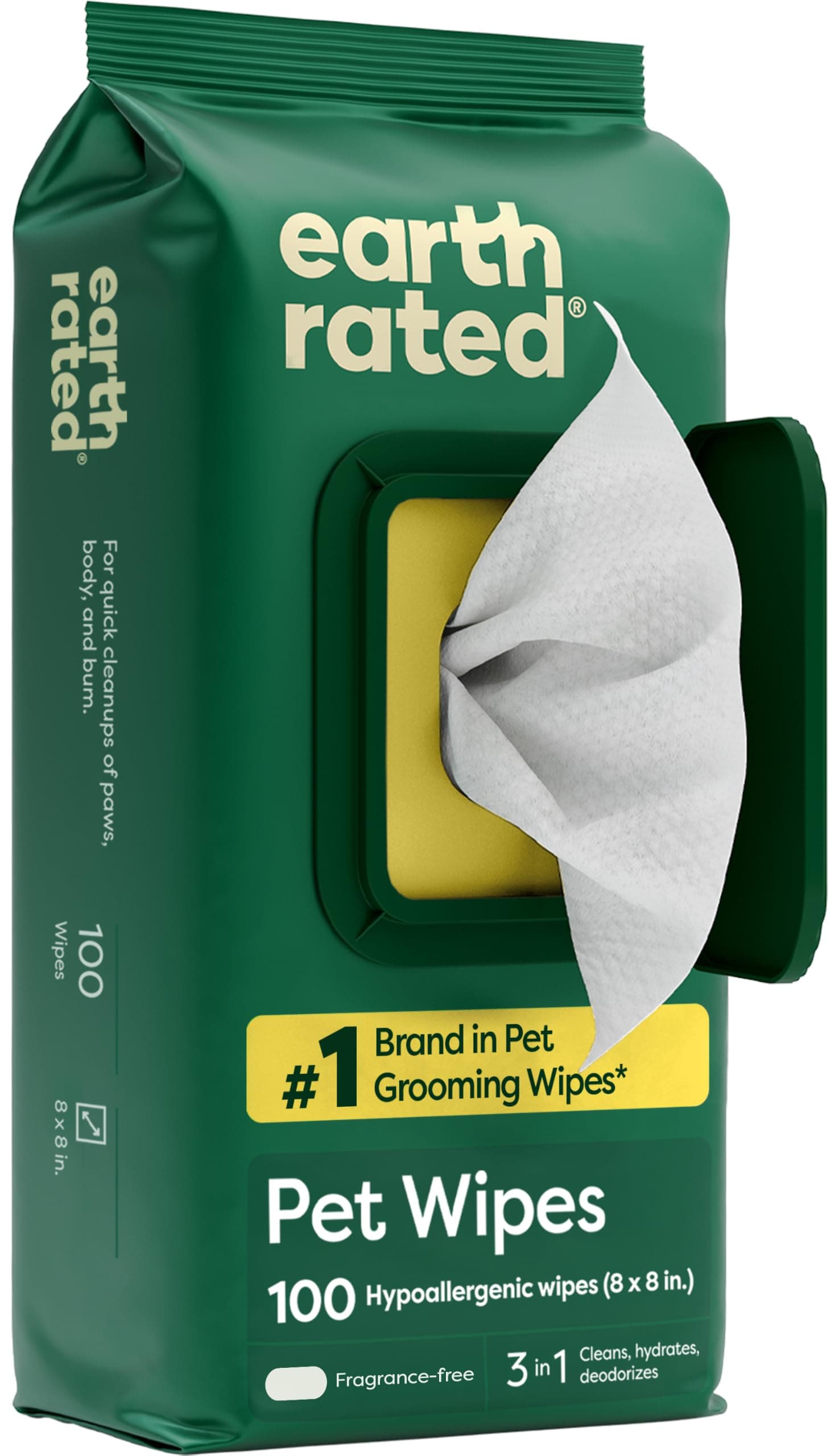
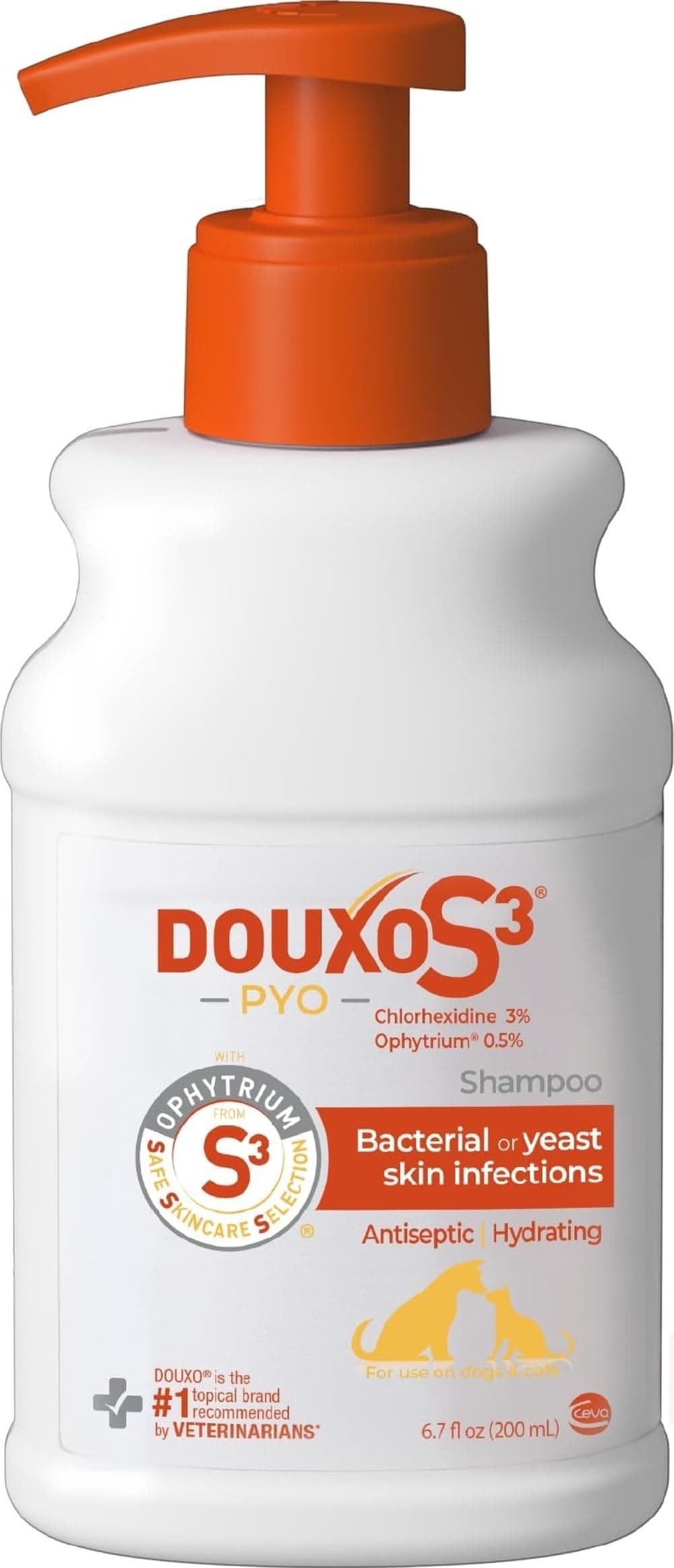
Start by deciding which job you're doing, because the products don't overlap. Infected or smelly folds, hot spots, diagnosed yeast: a medicated chlorhexidine wash, used on the schedule your vet sets. Active itching without infection: a soothing wash, plus investigating the actual trigger. Routine bathing on calm skin: a fragrance-free gentle cleanser, every two to four weeks — overwashing strips the skin barrier Frenchies can't afford to lose.
Contact time is the medicine. Medicated shampoos need 5-10 minutes of lather sitting on the skin per label directions; most owners rinse at 30 seconds and then conclude the product 'didn't work'. Lather, set a timer, distract the dog with a lick mat, rinse thoroughly. Residue is its own irritant.
Dry the folds after every bath and every wipe pass. Moisture trapped in skin folds is the root of fold dermatitis — a bath that ends with damp folds has done more harm than good. A soft dry cloth through the face and tail folds takes sixty seconds and prevents most of what this page is trying to treat.
Multi-pet households: any formula with tea tree oil means other pets — cats especially — stay off the freshly washed dog until it's completely dry, and the same label logic applies to wipe-treated areas (no licking until dry). If your household includes cats, the fragrance-free gentle wash and the plain daily wipes are the zero-worry options.
Know when the tub is not the answer. If itching persists beyond a few weeks of sensible topical care, or the skin shows open sores, spreading redness, discharge or odor, the next step is a vet — and for the chronic itch that keeps returning, the trigger is usually a protein in the food, not dirt on the skin. Our French Bulldog food allergies guide covers that chain.