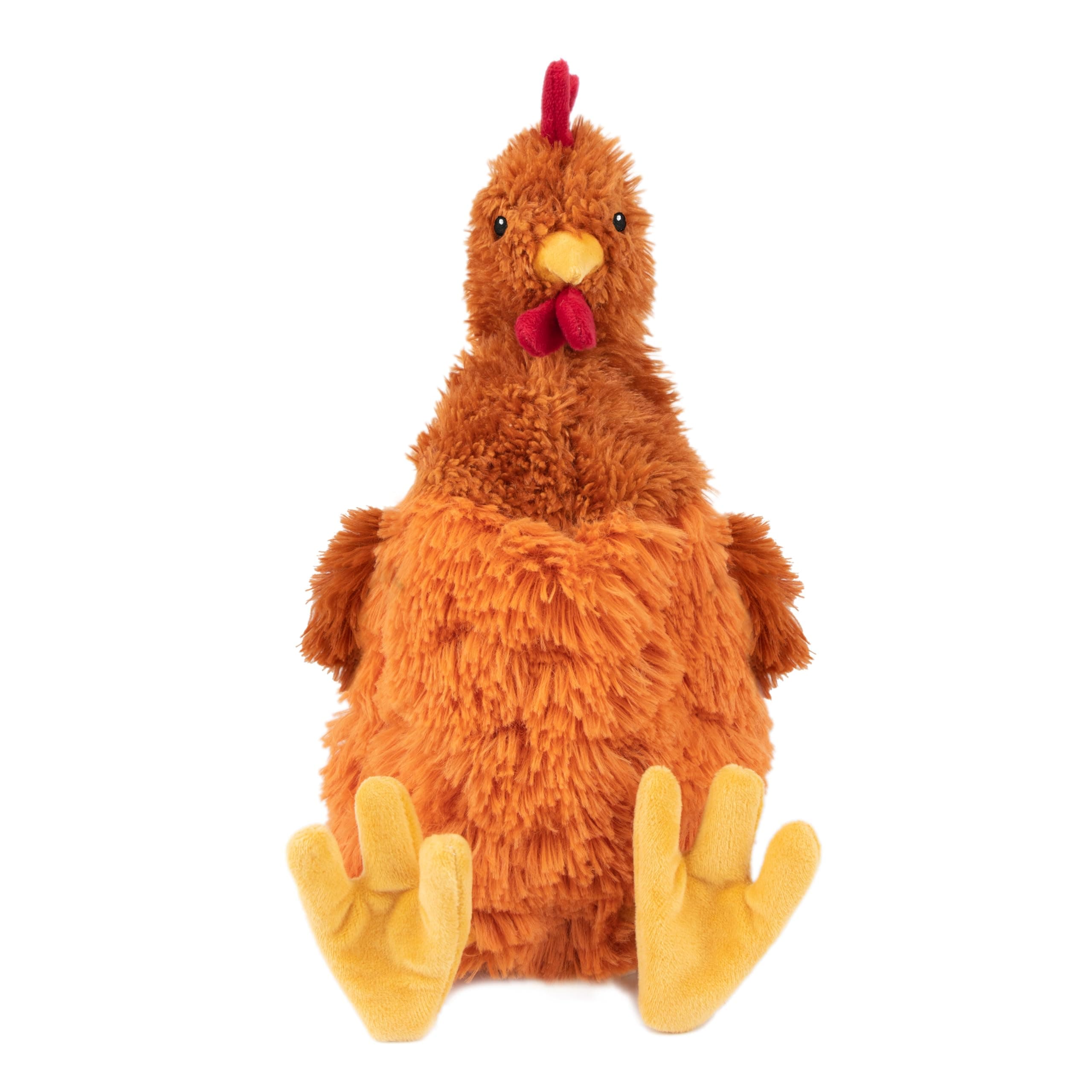
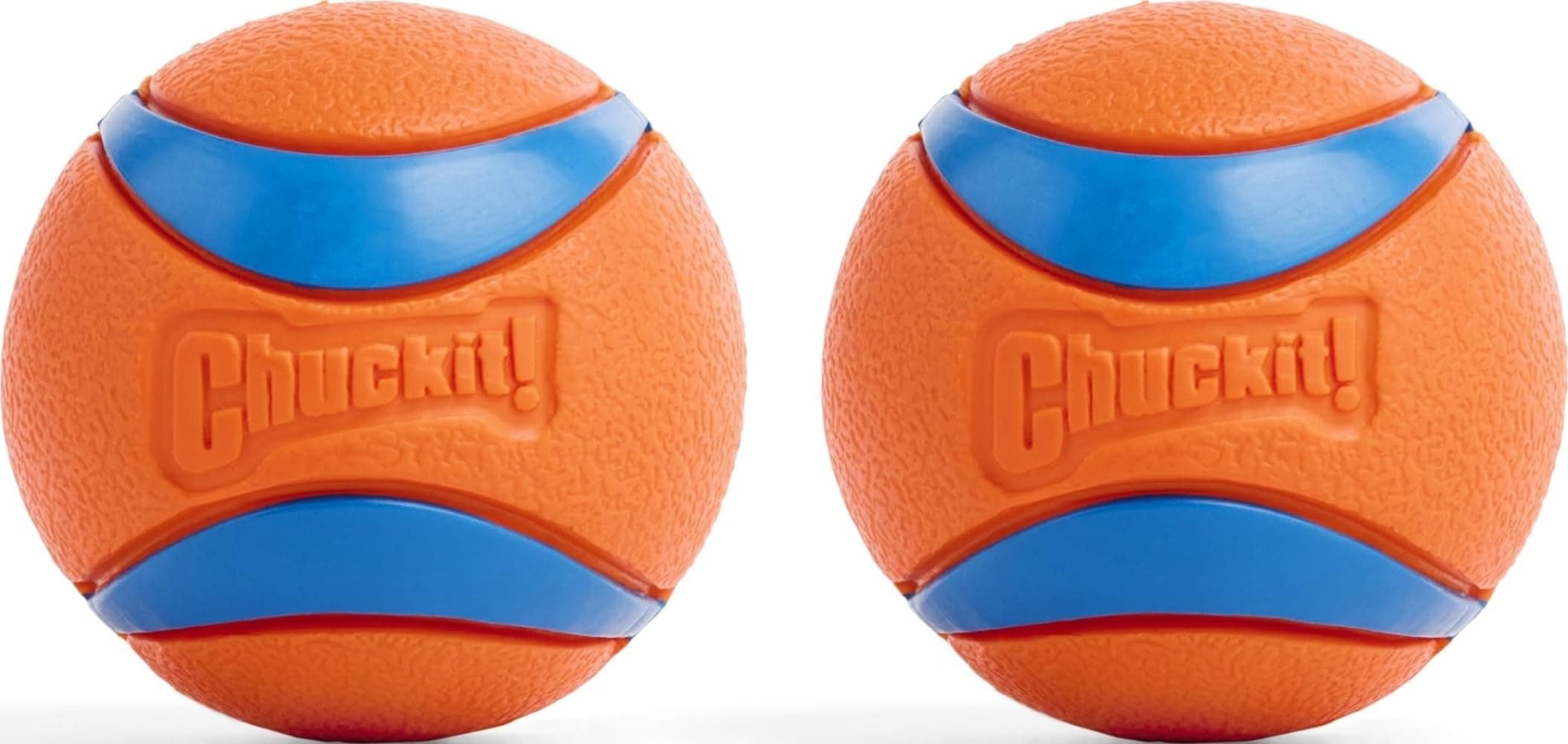
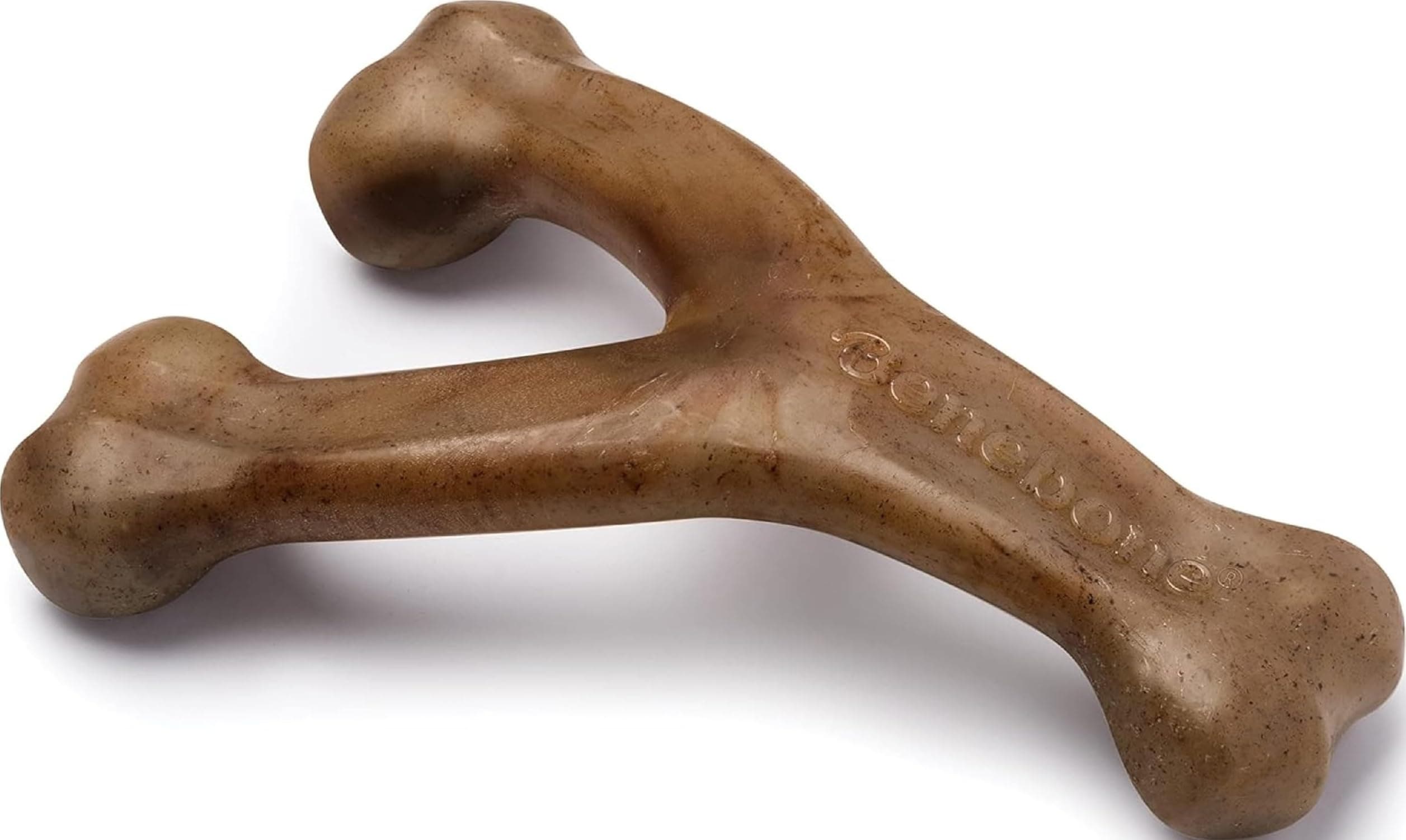
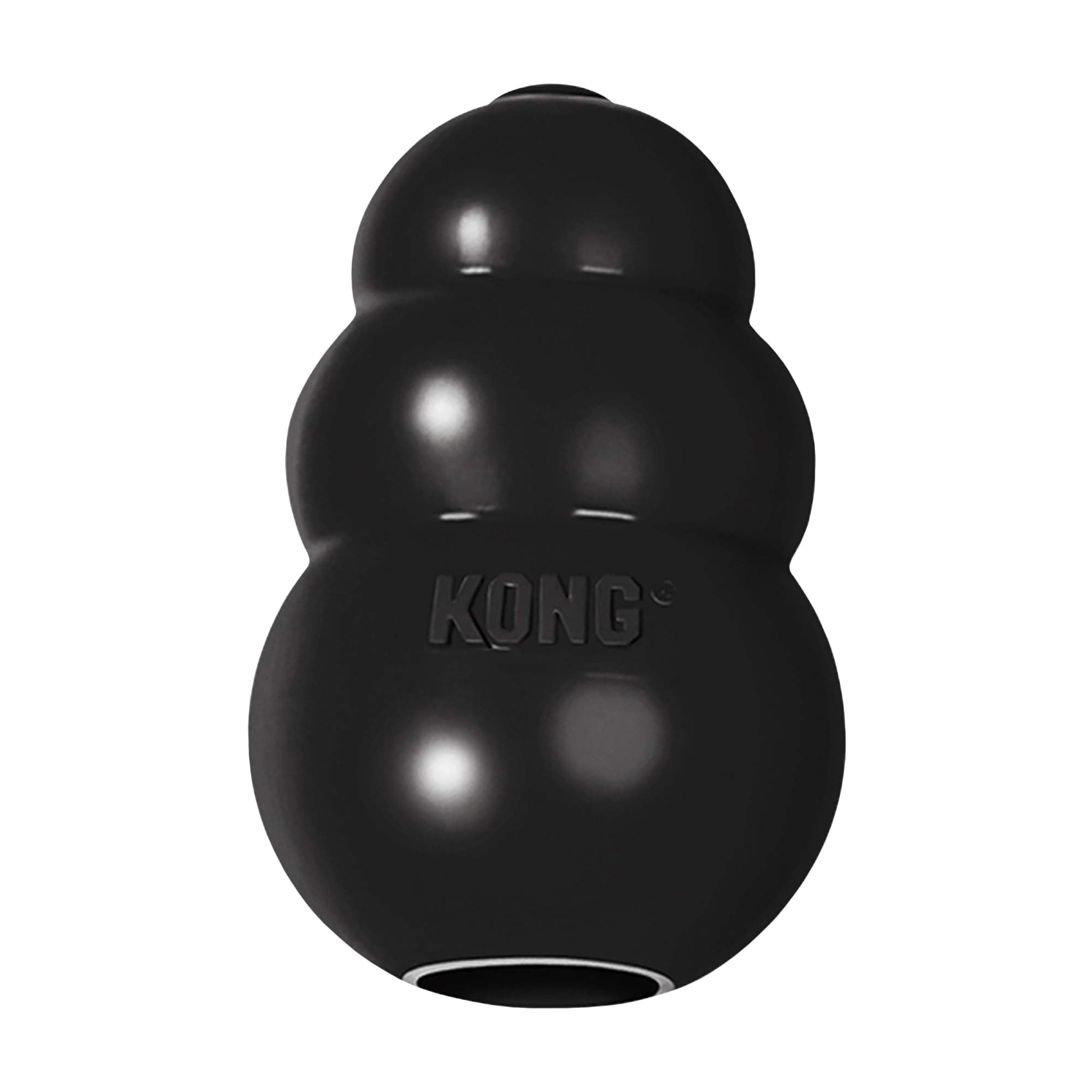
Apply the thumbnail test before giving any toy to a French Bulldog: if you cannot indent the toy's material with your thumbnail, it is too hard for the breed's crowded brachycephalic teeth. Nylon chew toys, natural antlers, hard plastic bones, and even firm rubber balls should be excluded on this basis — the risk of premolar slab fracture is real and documented in veterinary dentistry literature.
Size the toy to the dog, not the breed label. An adult French Bulldog weighs 16–28 pounds and has a wide, short brachycephalic mouth. The right toy is one the dog can pick up unaided and carry through a standard dog door — for most Frenchies, that means a longest dimension of 6–10 inches. Toys marketed as 'small' for large breeds (e.g., Chuckit Medium ball at 2.5 inches) may still be awkward; check dimensions, not labels.
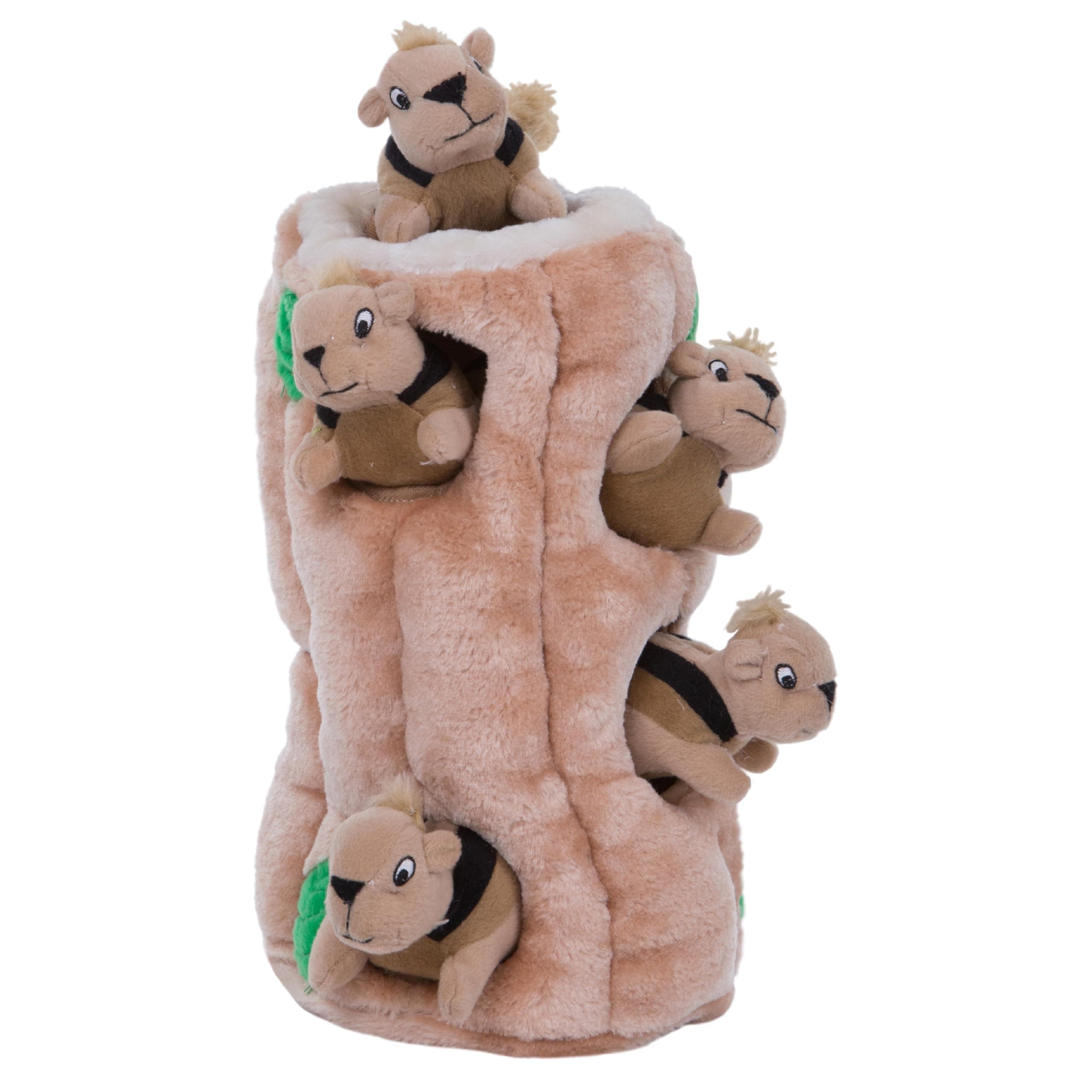
Match the toy's play style to the breed's energy level. French Bulldogs are low-energy companion dogs whose play sessions last 5–15 minutes and are oriented around human interaction, not sustained solo activity. Plush carry toys, brief puzzle toys, and calming toys match this profile; fetch toys, tug toys engineered for 30-minute sessions, and durable chew toys for aggressive chewers do not.
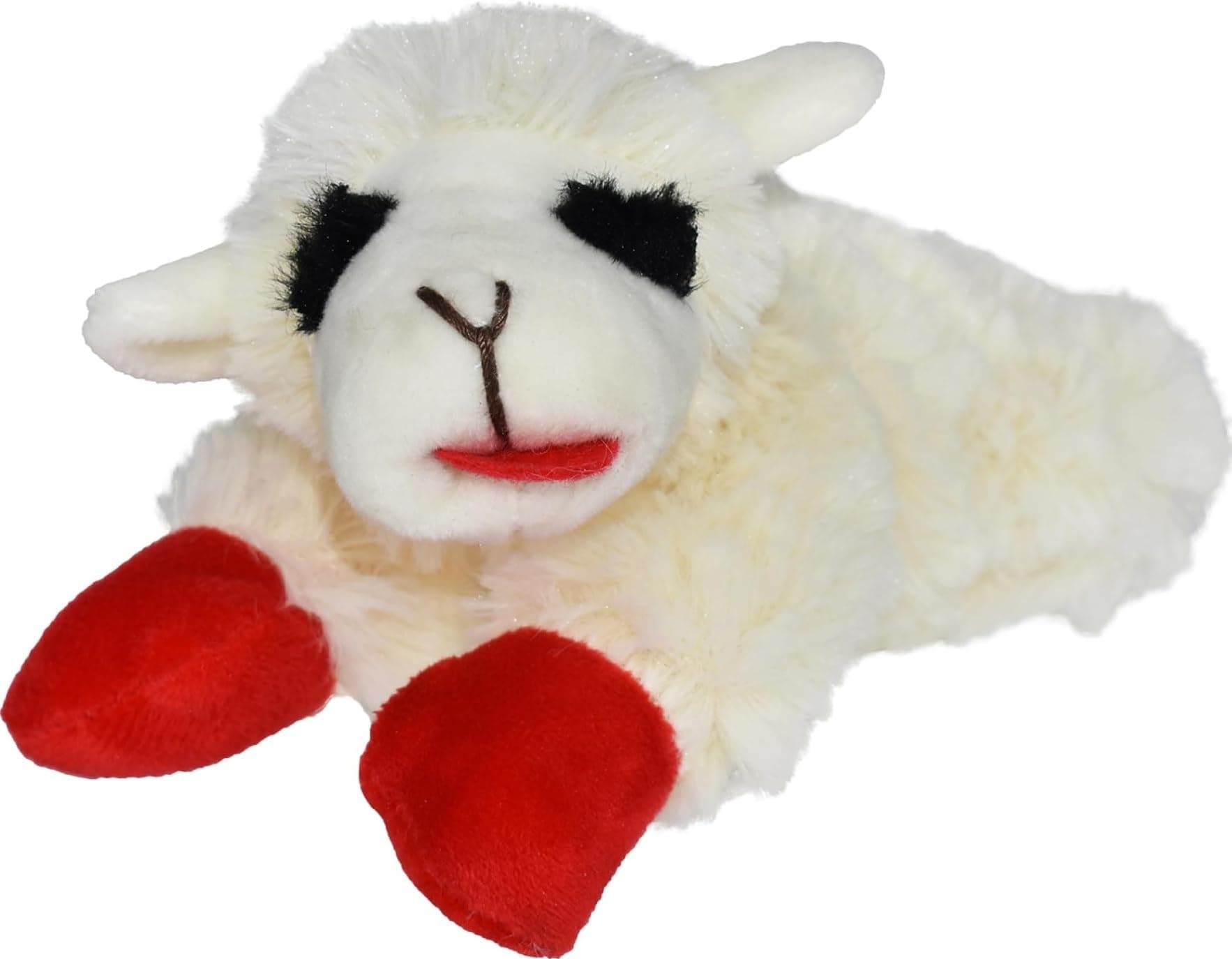
Plan for plush toys to be consumables, not durables. A French Bulldog that is a carrier rather than a destroyer may keep a plush toy for 6–12 months; a de-stuffer will dismantle it within a day. Buy plush toys at a price point that makes replacement reasonable (the Lamb Chop at $3.99 is the reference here), supervise the first few sessions to learn your dog's play style, and remove the squeaker as soon as it becomes accessible to prevent ingestion.
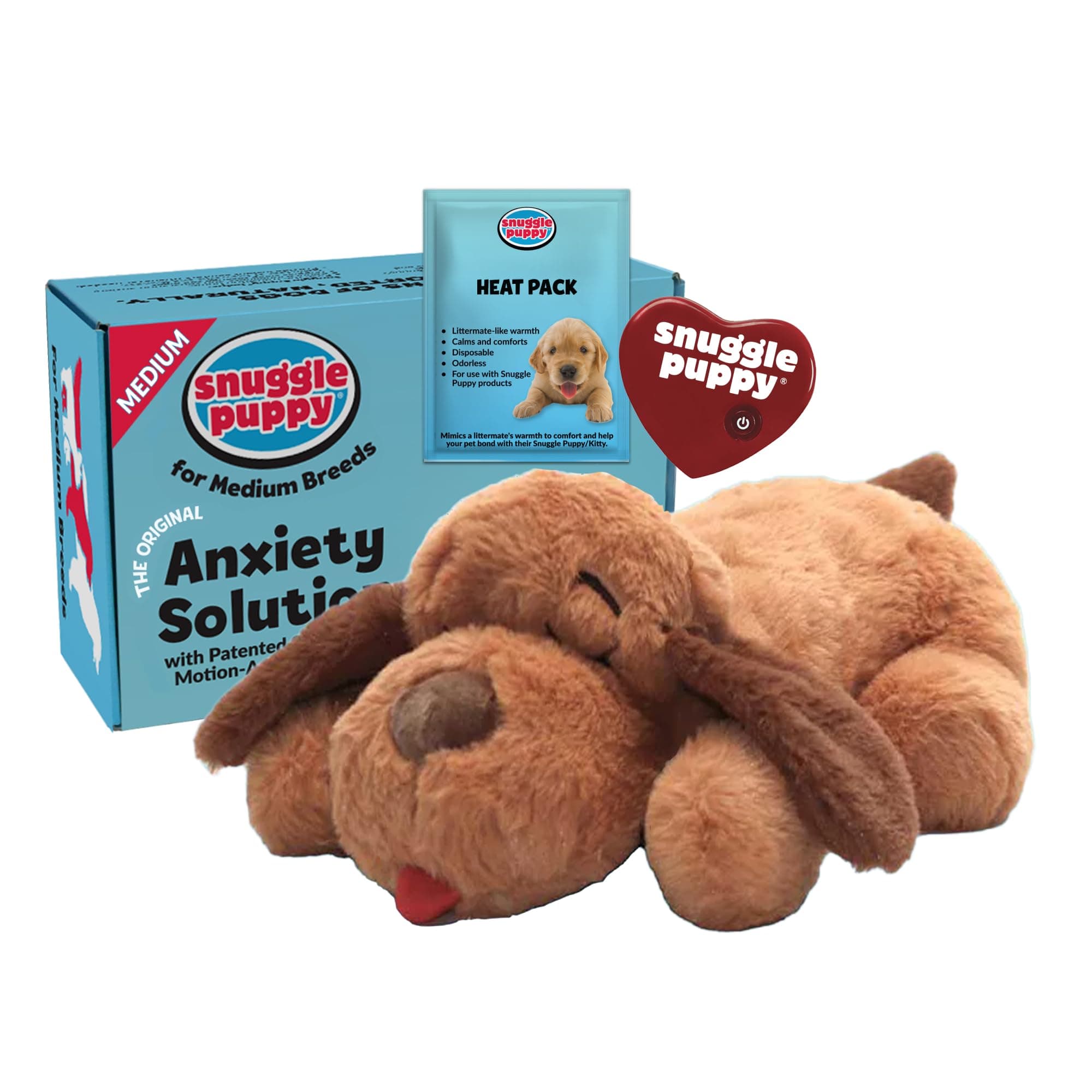
Add one calming toy if your French Bulldog shows any signs of separation distress — pacing, vocalization, or destructiveness when left alone. The breed is over-represented in veterinary behavior literature for separation anxiety, and a heartbeat/heat-pack toy is a low-cost, low-risk intervention that addresses the underlying attachment mechanism rather than masking symptoms. Use the calming toy in the crate or alone-time context specifically, not as a play toy, so it acquires a distinct associative meaning.