Best Dog Food for a French Bulldog with a Chicken Allergy
Chicken is the most common protein in commercial dog food — and the most-suspected trigger in the Frenchie community. Removing it is simple in theory and fiddly in practice, because chicken hides in meals, fats and broths across the label. This guide is the map to feeding a French Bulldog without chicken: three routes out, when each one fits, and a pick for each.
Last updated 2026-08-14 · Not veterinary advice — confirm suspected allergies with an elimination trial and your vet.
At a glance
- The three routes: hydrolyzed prescription diet (diagnostic gold standard), novel protein (venison, lamb, duck, insect), or fish-based limited-ingredient (the budget-friendly OTC route).
- The hidden-chicken rule: audit every label for chicken meal, fat, broth and poultry by-products — and audit treats and flavored meds too.
- The discipline: don’t swap on suspicion. Run one 8–12 week trial so you know, then stay off chicken for good if the re-challenge confirms it.
Why chicken is the usual suspect
Food allergy in dogs is a reaction to a protein, and chicken is simply everywhere: it is the first ingredient in a large share of mainstream formulas, which means an allergic dog meets it in food after food. The classic Frenchie presentation is skin-first — itchy paws, face rubbing, recurring ear infections — with or without the gut signs of soft stool and gas.
Two things worth saying plainly. One: symptoms alone do not diagnose the trigger — environmental allergies look nearly identical, and only an elimination trial with a deliberate re-challenge can confirm chicken. Two: “grain-free” is not the answer — the trigger is a protein, not a grain. The fix is a different protein, managed strictly.
The three routes out of chicken
Pick the route by situation, not by price tag — a mismatched route costs more in wasted months than the right one costs in food:
| Route | Best when | Trade-offs |
|---|---|---|
| Hydrolyzed protein (prescription) | Diagnosis phase, multiple suspected triggers, or stubborn symptoms | Costs more and needs vet involvement — but it is the gold standard trial diet |
| Novel protein — venison, lamb, duck, insect | Chicken is the suspected trigger and you want over-the- counter | Requires strict label and treat hygiene; the protein must be genuinely new to the dog — and while duck counts as novel, some chicken-reactive dogs also react to other poultry |
| Fish-based limited-ingredient | Chicken confirmed or strongly suspected, budget-conscious | Fewer ingredients make hidden triggers easier to audit; salmon and whitefish are the common proteins in the line |
A pick for each route
One representative pick per route — each matched to a row of the table above, none of them chicken based.
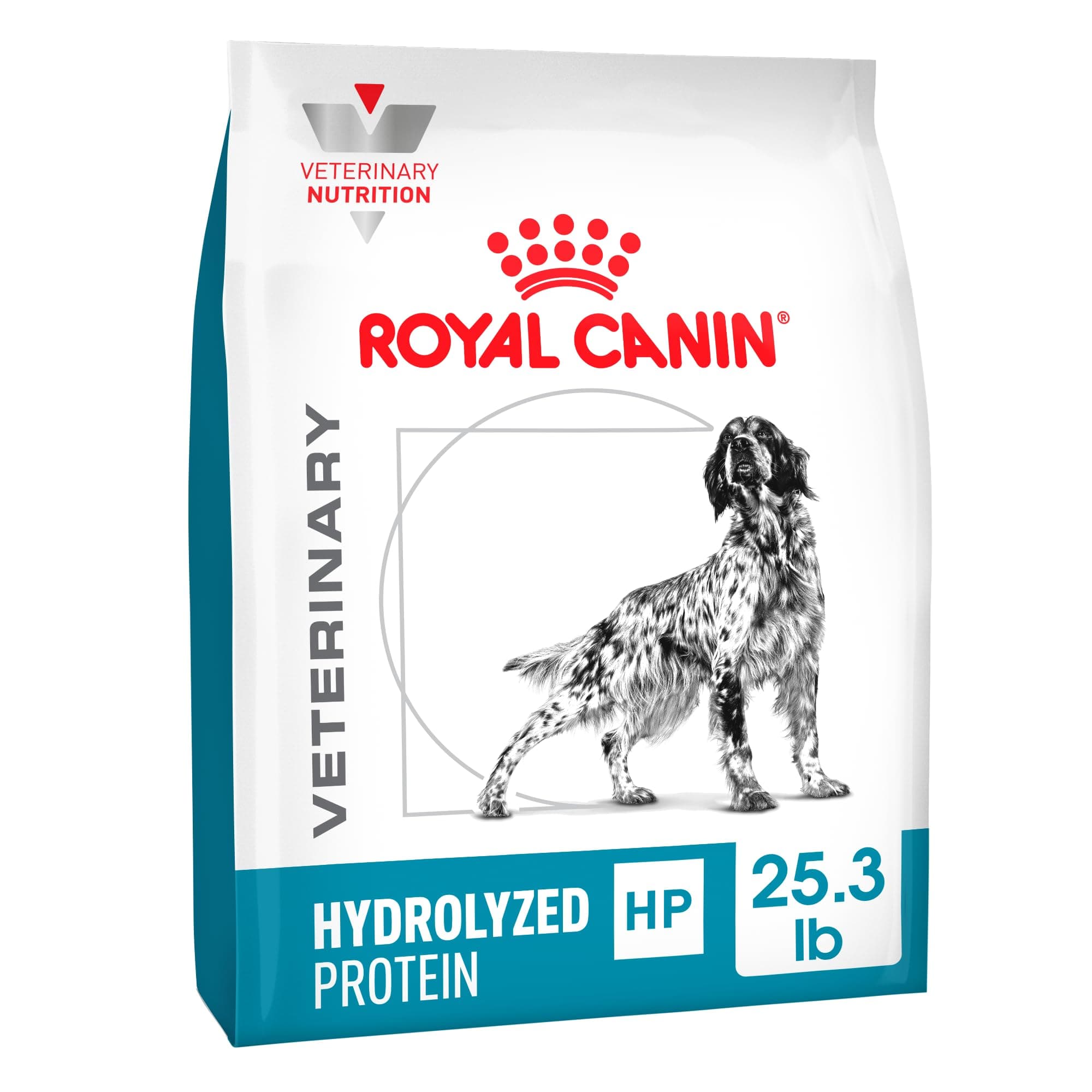
Route 1 — the diagnostic tool
Royal Canin Veterinary Diet Hydrolyzed Protein Adult Dry Dog Food (25.3 lb)Hydrolyzed soy protein, broken down below the size that triggers an immune response — the standard diet for an elimination trial. Prescription and pricey, but an 8–12 week supervised trial on it converts 'probably chicken' into a usable diagnosis. Run it under veterinary direction.
Check price on Amazon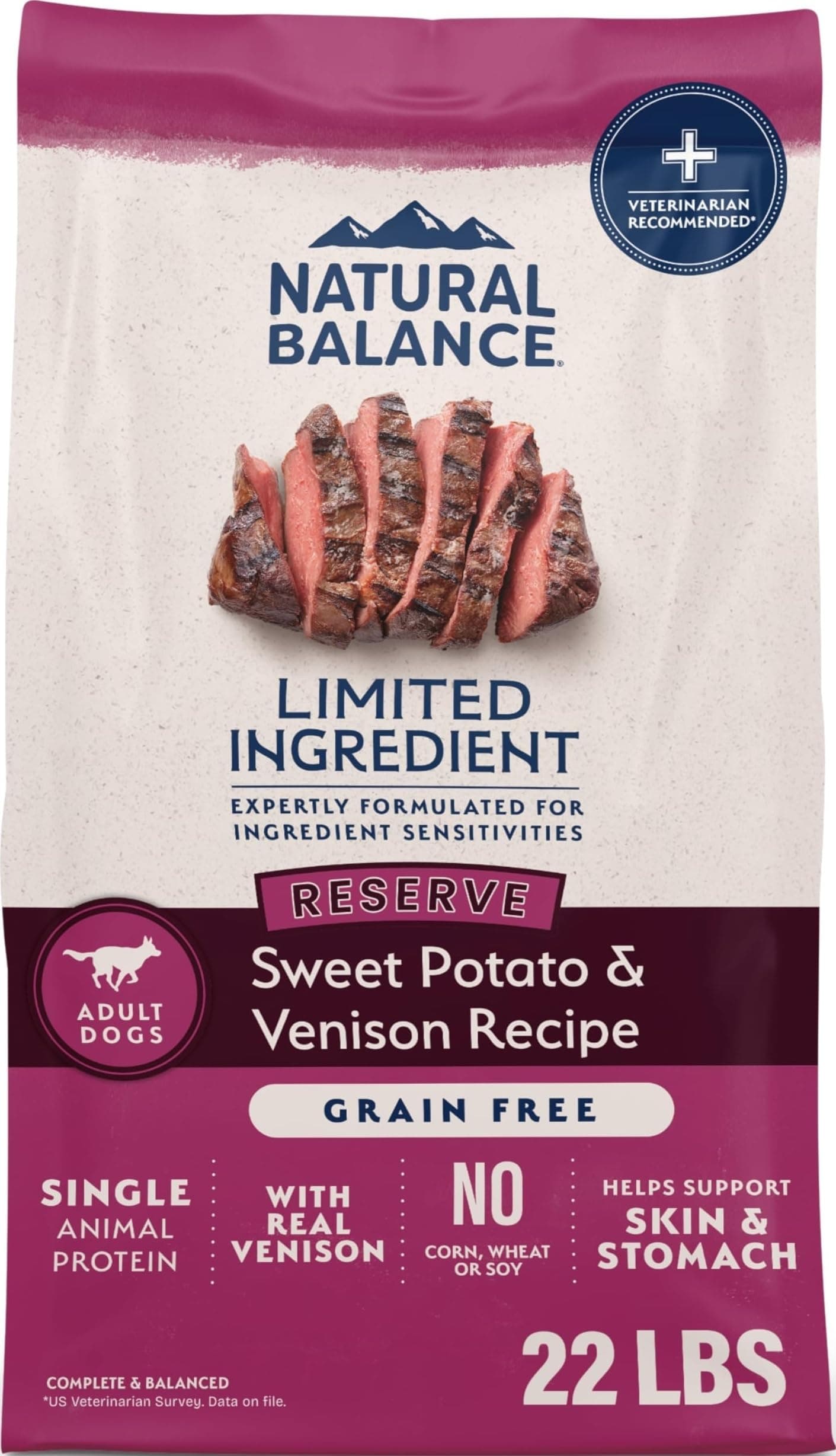
Route 2 — the novel-protein route
Natural Balance Limited Ingredient Adult Dry Dog Food (Sweet Potato & Venison)Sweet potato and venison, one of the classic limited-ingredient builds. Venison is genuinely novel for most pet dogs, and the short ingredient list makes the hidden-chicken audit simple. Same brand runs a salmon version if your Frenchie reacts to this one.
Check price on Amazon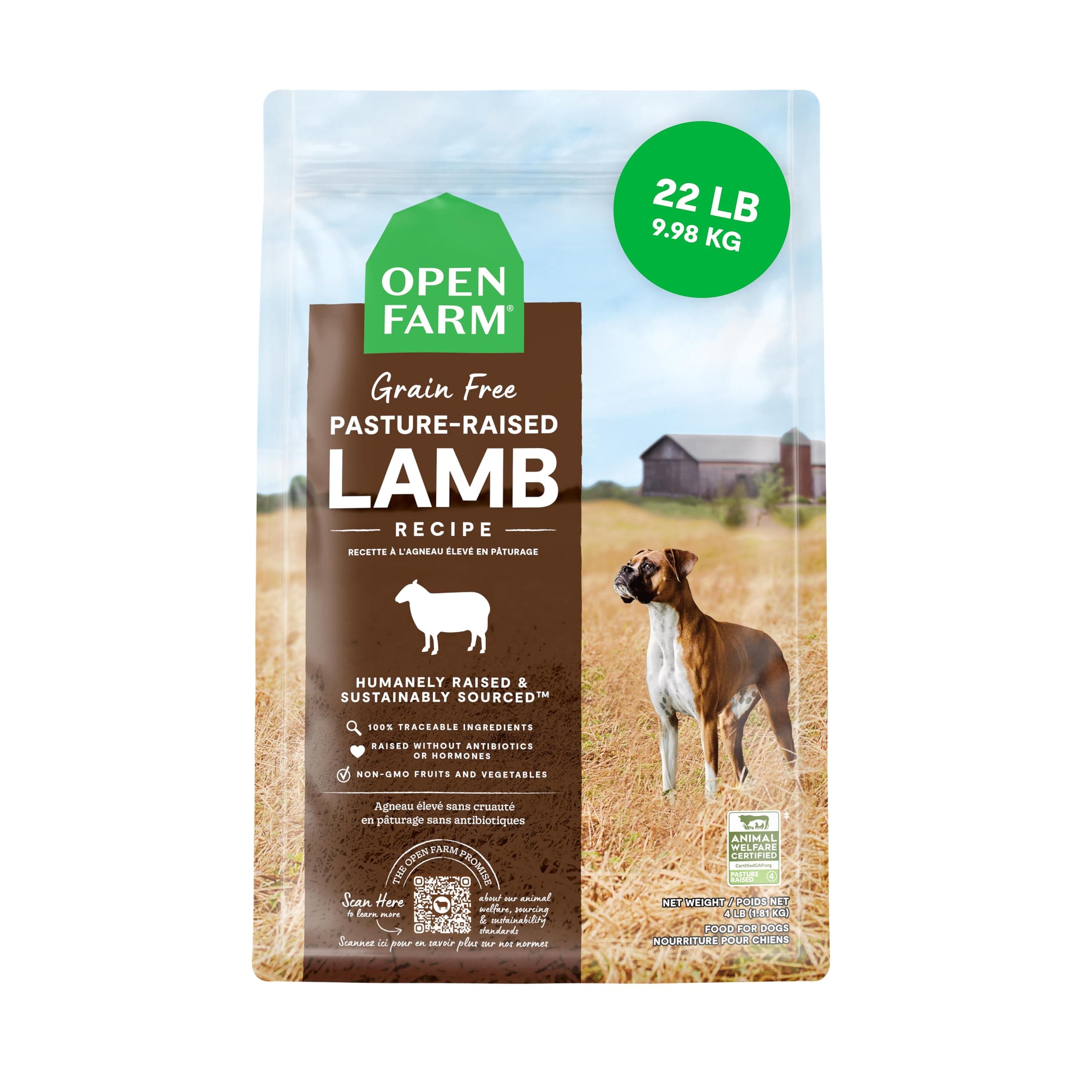
Route 2 — the human-grade novel-protein upgrade
Open Farm Grain-Free Dry Dog Food (Pasture Raised Lamb)Pasture-raised lamb in a grain-free, human-grade build — the step up when ingredient transparency matters as much as the protein choice. Lamb counts as novel only if your dog hasn't been eating it; check treat history before committing.
Check price on Amazon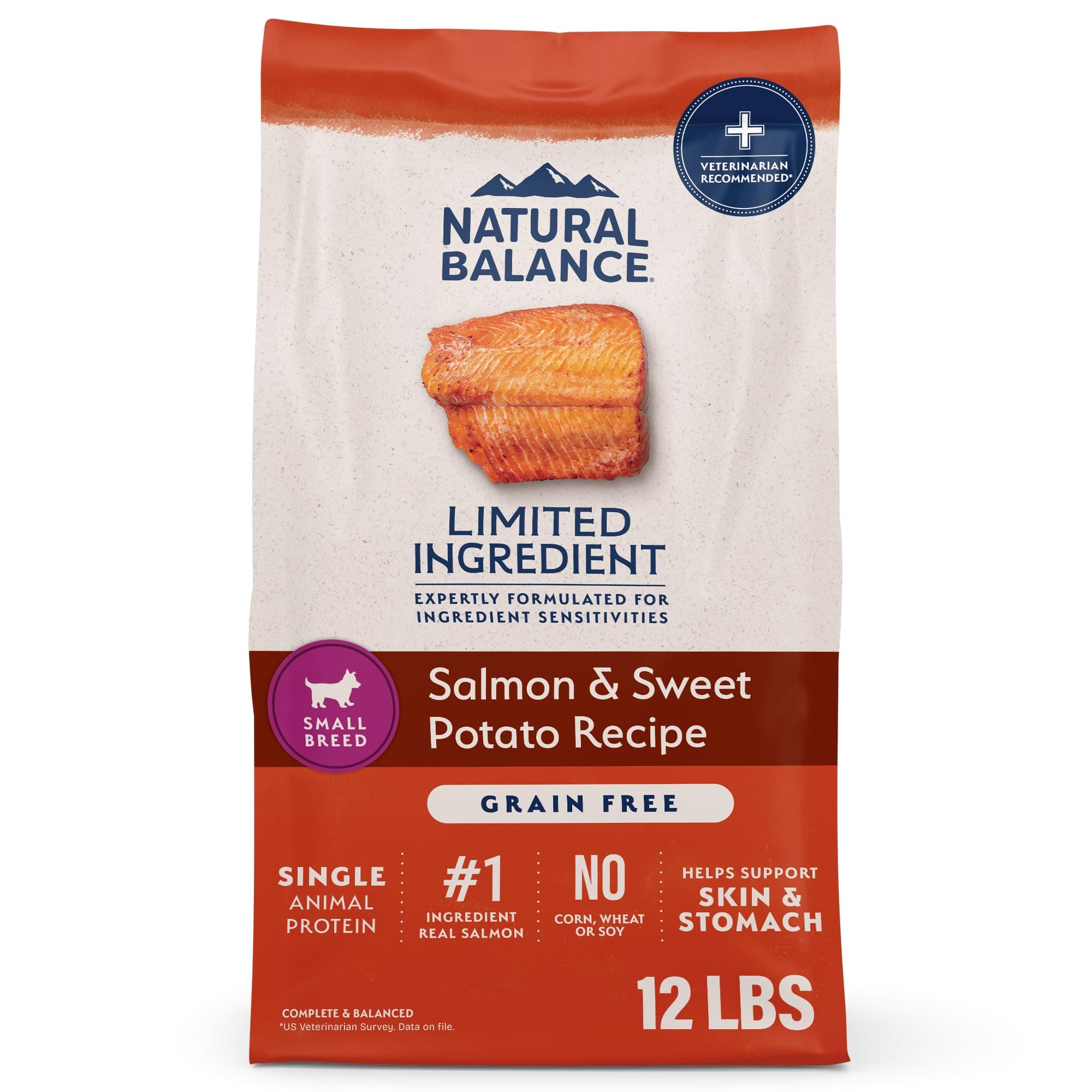
Route 3 — the fish-based LID for small dogs
Natural Balance L.I.D. Salmon & Sweet Potato Dry Dog Food (Small Breed, 12 lb)Salmon and sweet potato in a small-breed kibble size — the budget-friendly way to exit chicken with a short, auditable ingredient list. Fish-based proteins are among the most commonly tolerated replacements for chicken-reactive dogs.
Check price on AmazonMaking the swap actually count
Most failed chicken-free diets fail on discipline, not on the food choice. Three rules decide whether the next twelve weeks produce an answer:
- Zero off-plan calories. Treats, table scraps, dental chews and flavored medications all count. Use the trial food itself as the treat.
- Audit every label. Chicken meal, chicken fat, chicken broth and poultry by-product meal are the usual hiding places.
- Log weekly. Itch level, ear state, stool quality — written down. Memory smooths the curve; a log shows the real one.
And the one step most owners skip: after symptoms settle, re-introduce chicken deliberately and watch. If symptoms return, you have your answer. If they don’t, the trigger was somewhere else — and the trial structure you built lets you keep looking without starting over.
FAQs
How do I know it's really a chicken allergy?
Only an elimination trial can confirm it: 8–12 weeks on a diet with zero chicken in any form, then a deliberate chicken re-challenge to watch symptoms return. Suspicions from symptom patterns are a starting point, not a diagnosis — environmental allergies look almost identical.
Where does chicken hide on dog food labels?
Chicken meal, chicken fat, chicken broth, chicken digest and poultry by-product meal are the usual ones, plus 'natural flavor' from undisclosed sources in some lines. During a trial, audit treats, flavored medications and dental chews too — one chicken-flavored treat can invalidate weeks of work.
Does my Frenchie need grain-free food for a chicken allergy?
No. Food allergies in dogs are reactions to proteins, and chicken is a protein — grains are usually irrelevant to the trigger. Choose the replacement food on its protein source and ingredient transparency, not on a grain-free badge.
How fast will symptoms improve after removing chicken?
Gut symptoms often settle within two to four weeks. Skin, paw-licking and ear signs are slower — up to the full 8–12 week window — because the skin heals after the trigger is gone. If nothing has moved after twelve strict weeks, the trigger may not be chicken.
How should I transition to the new food?
Over seven to ten days: roughly a quarter new food every two to three days. A slow transition keeps the gut calm so you can tell what the new diet does instead of blaming transition turbulence. During a trial, log symptoms weekly so the comparison is data, not memory.
Keep going
BreedPicks is reader-supported. When you buy through links on this page we may earn an affiliate commission at no extra cost to you. Product data reflects Amazon listings as of 2026-08-14.