French Bulldog Gas and Flatulence: What Food Actually Helps
Gas is the Frenchie trait nobody puts in the breed standard — and it has real anatomy behind it, not just a bad bag of food. Flat-faced dogs swallow more air with every meal, and what lands in the bowl decides how much fermenting happens after. The good news: both of the fixable halves — eating speed and ingredients — respond to cheap, concrete changes.
Last updated 2026-08-13 · Not veterinary advice — gas paired with vomiting, diarrhea or weight loss gets a vet visit first.
At a glance
- Why Frenchies are gassier: flat-faced anatomy means more swallowed air at every meal — worsened by fast eating — and fermentable ingredients add the rest.
- The first moves: a slow feeder and smaller, measured meals (nearly free), then a highly digestible, limited-ingredient food built on a protein your dog already tolerates.
- The honest limit: food fixes fermentation gas, not swallowed air — and persistent foul gas with other symptoms is a veterinary question, not a shopping question.
First, work out which kind of gas you’re dealing with
Swallowed-air gas and fermentation gas need different fixes, and the pattern usually tells you which one you have:
| Pattern | Likely driver | Right move |
|---|---|---|
| Loud gas soon after meals; the bowl is empty in under a minute | Swallowed air from gulping | Slow-feeder bowl plus two or three smaller measured meals |
| Gas started with a new food, or the label is heavy on peas, beans or lentils | Fermentable ingredients | Read the whole label, then transition over 7–10 days to a simpler, legume-light formula |
| Chronic foul gas and soft stool across several foods | Poor digestibility or an intolerance | A 2–4 week test on one limited-ingredient food — treats included — tracking gas and stool |
| Gas plus vomiting, diarrhea, weight loss, belly pain or a sudden major change | Possibly more than a food issue | Vet visit before another food swap |
What to feed — and what to take out
The food side of the fix is a highly digestible, limited-ingredient diet built on a protein your Frenchie has tolerated well. Look for:
- A simple single protein — fish, lamb, turkey or another one your dog has done well on
- An easily digested carbohydrate, such as white rice
- Moderate fiber — not a high-fiber formula
- No major gas-trigger ingredients high on the label
And reduce or remove the usual fermenters:
- Beans, peas, lentils and soy — including as label fillers
- Dairy in any form: cheese, milk, yogurt, ice cream
- Broccoli, cauliflower and cabbage
- Fatty table scraps and rich treats
Two small honest notes. Plain canned pumpkin purée — not pie filling — can help some dogs with stool regularity as a small topper, never a meal replacement; introduce it gradually and stop if gas or loose stool worsens. And a homemade diet should not be the main food unless a veterinarian or veterinary nutritionist has balanced it.
The feeding mechanics that matter as much as the food
- Feed smaller, measured meals rather than one large one — less volume per sitting, less air swallowed per sitting
- Use a slow-feeder bowl if meals currently vanish in seconds; less gulped air can mean noticeably less gas within days
- Make any food transition over about 7–10 days, not overnight — abrupt switches add gas of their own
- Keep treats simple and limited while you test a new diet; a stray cheese crust can undo a week of clean feeding
The tools, matched to the problem
One honest pick for each lever above — bowl first, because it is the cheapest test.
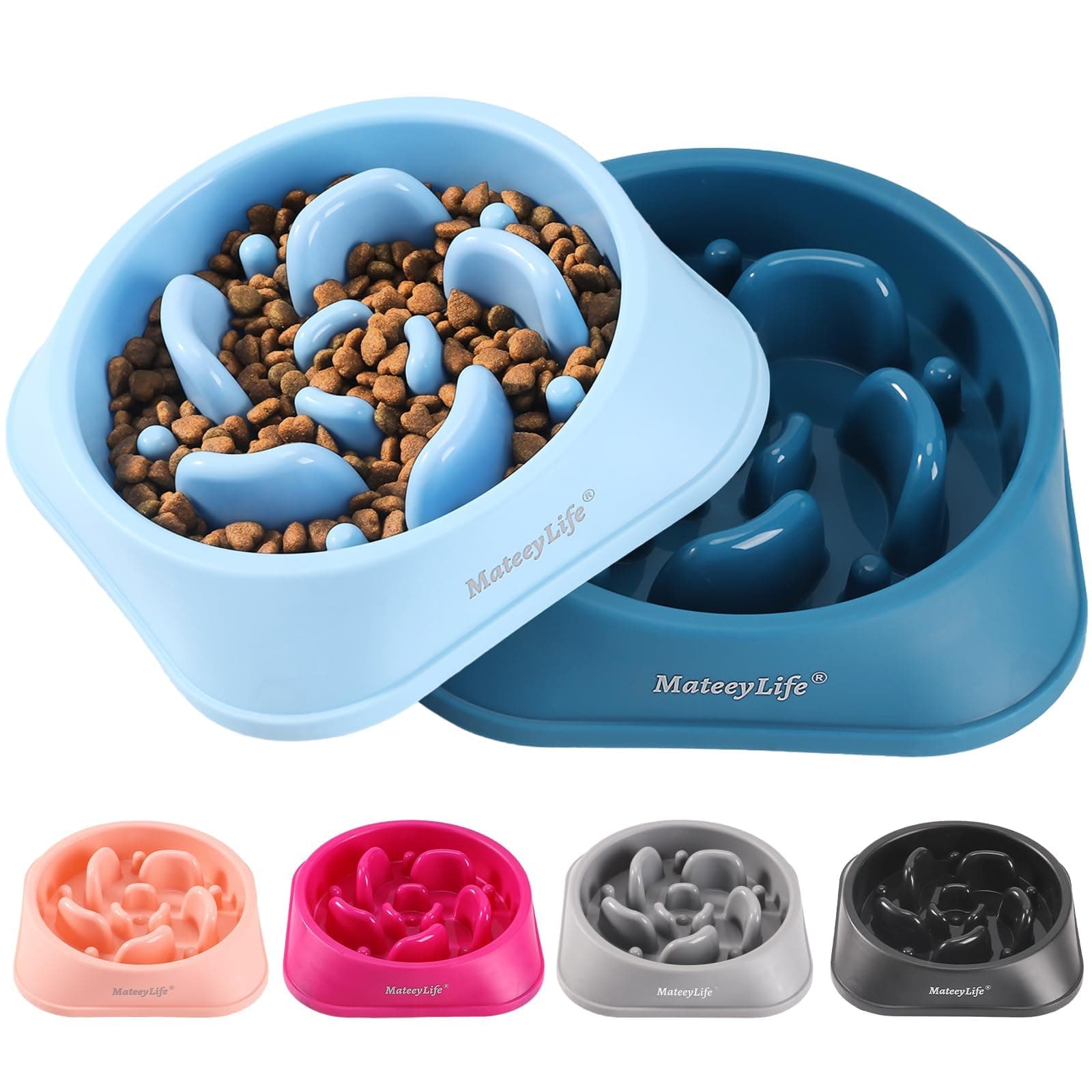
The air-swallowing fix — start here
MateeyLife Slow Feeder Dog Bowls (2-Pack)If meals disappear in under a minute, swallowed air is part of your problem, and this is the cheapest test on the page: under ten dollars for two bowls, with nearly ten thousand reviews. Try it for a week before changing anything in the bag.
Check price on Amazon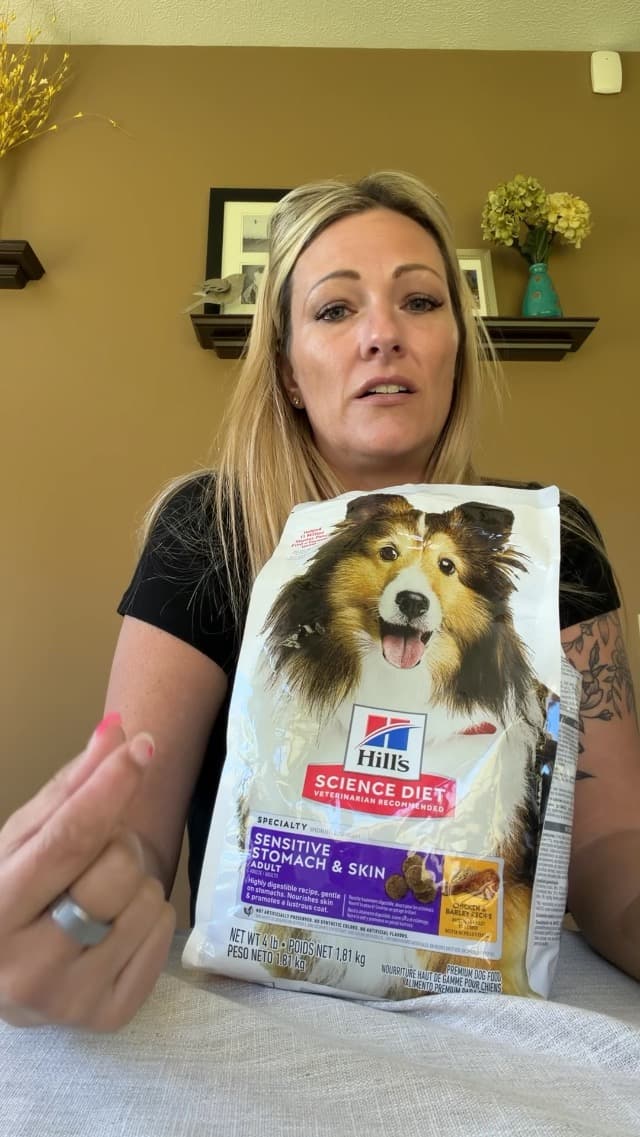
The highly digestible first move
Hill's Science Diet Sensitive Stomach & SkinThe reference formula for sensitive-stomach feeding — built around digestibility and prebiotic fiber rather than exotic ingredients. The sensible first swap when gas is chronic and the current food is heavy or complex.
Check price on Amazon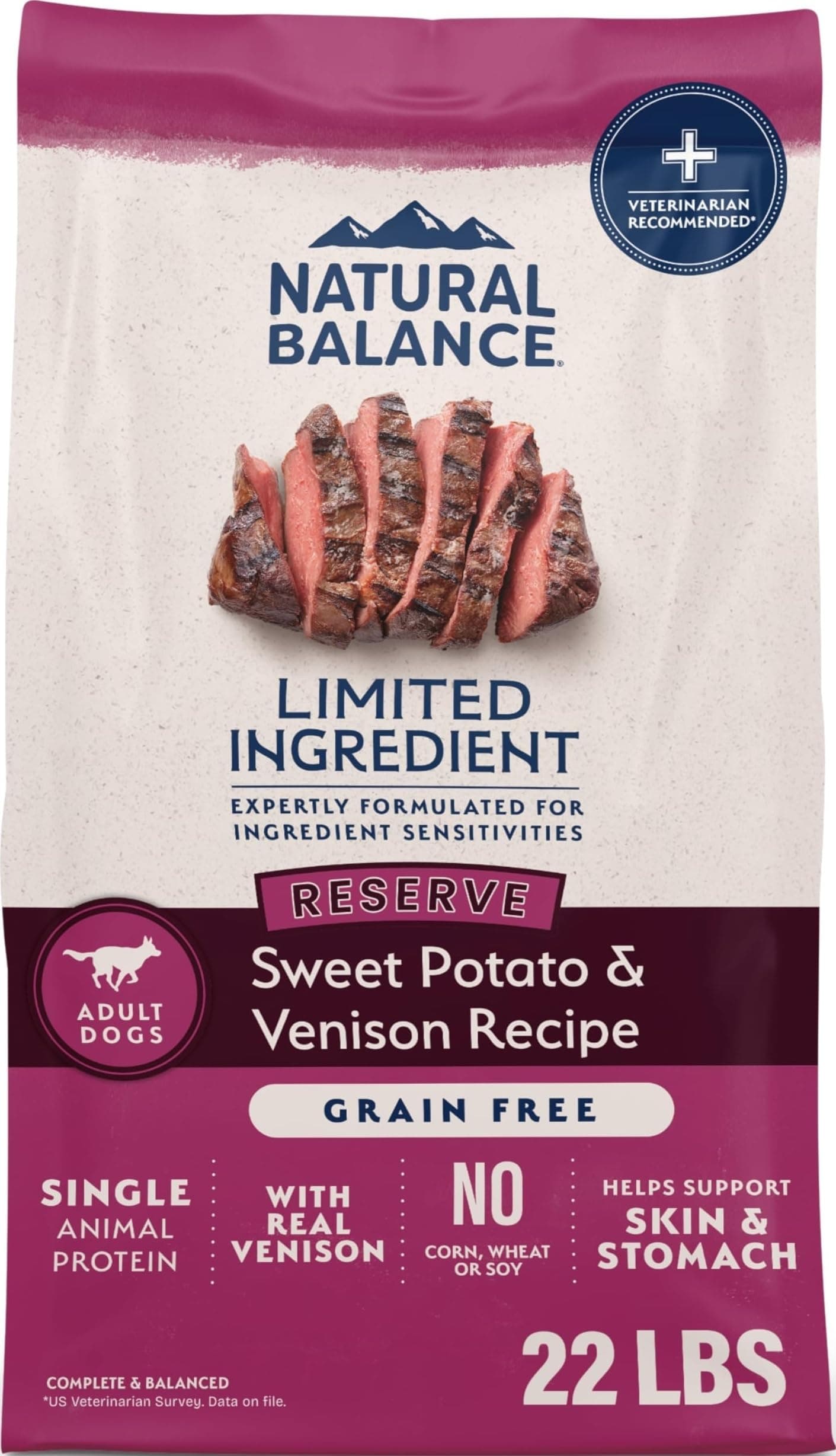
The structured test food
Natural Balance Limited Ingredient Adult Dry Dog Food (Sweet Potato & Venison)A true limited-ingredient diet on a single novel protein — venison and sweet potato. Fewer ingredients means fewer fermentation suspects, which makes it a good controlled test: feed it alone, treats included, for a few weeks and track gas and stool.
Check price on Amazon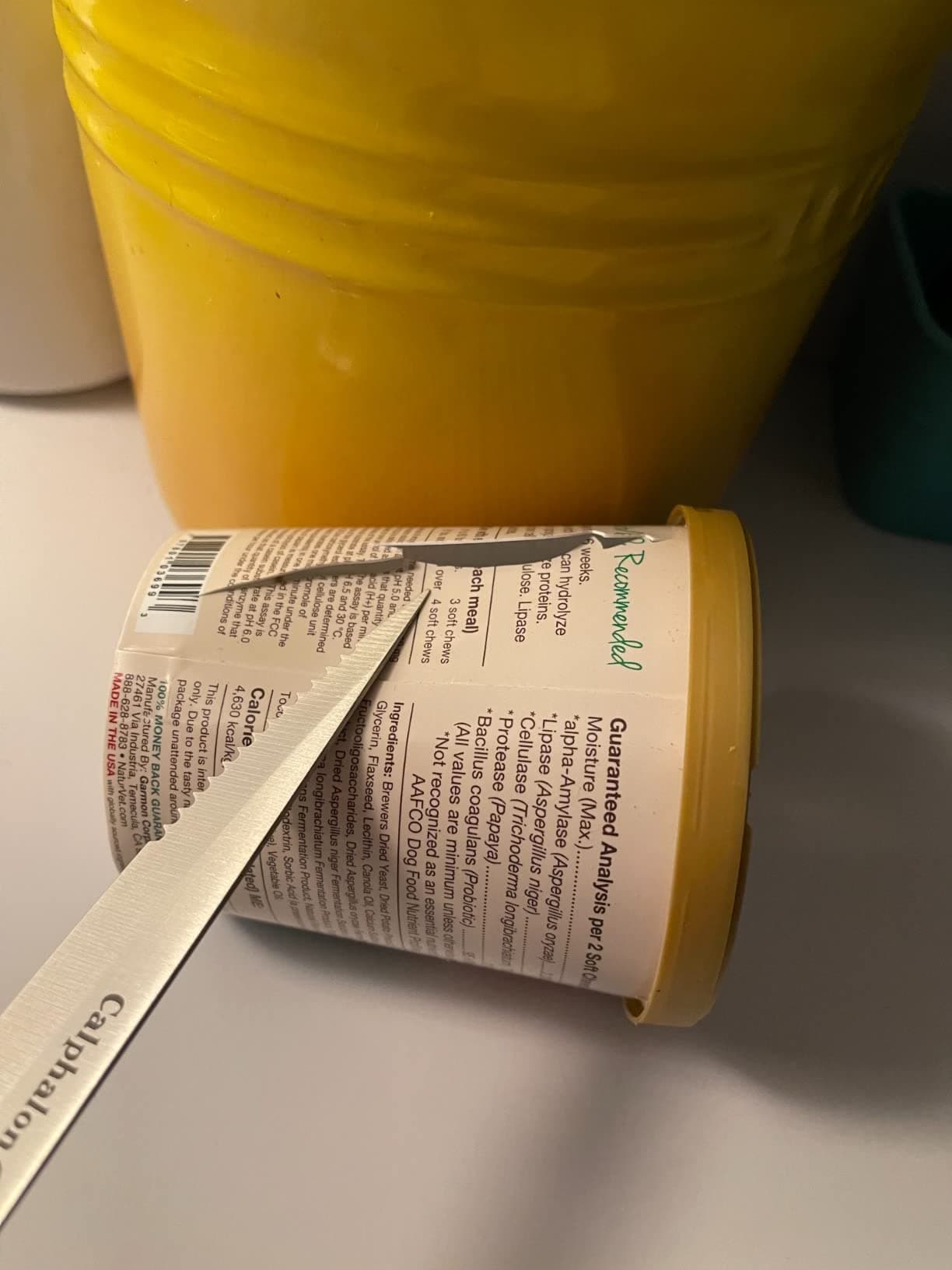
The optional transition support
NaturVet Digestive Enzymes with Pre & Probiotic Soft Chews (70 Count)Digestive enzymes with pre- and probiotics — a reasonable companion while the gut adjusts to a new formula. Optional: it supports the change rather than replacing it, and the bowl-and-food moves above come first.
Check price on AmazonGas vs. true bloat (GDV): knowing the difference
One word causes real confusion: “bloated.” In everyday use it usually just means full of gas. In veterinary language, bloat means something different — gastric dilatation-volvulus (GDV), where the stomach fills with gas and can twist on itself (stomach torsion). That is not a food problem. It is an emergency.
Signs that mean an emergency vet visit now, not a food change:
- A visibly distended, tight or drum-like belly
- Retching or trying to vomit without bringing anything up
- Restlessness, pacing, or inability to get comfortable
- Excessive drooling, pale gums, weakness or collapse
The honest risk note: GDV is uncommon in French Bulldogs — deep-chested large breeds carry most of the risk. But when it does happen, hours matter, so if the belly looks or feels wrong, treat it as urgent until a vet says otherwise.
When to stop shopping and call the vet
Flatulence alone is common in the breed. It stops being a food project the moment it shows up with any of these:
- Vomiting, diarrhea, or blood in stool
- Weight loss or a clear drop in appetite
- Belly pain, swelling, or repeated straining
- A sudden major change in gas or stool habits
- Persistent foul gas that survives a few weeks of honest food and feeding changes — that pattern points to intolerance or gastrointestinal disease rather than a food choice
FAQs
Why do French Bulldogs fart so much?
Two sources feed the problem. Their flat-faced anatomy makes them swallow more air with every bite and every gulp, and fast eaters swallow still more. Then fermentable ingredients in the bowl produce gas during digestion. You can't fix the anatomy, but you can fix the eating speed and the ingredients — which is why food and bowl changes help most owners.
What dog food helps with Frenchie gas?
A highly digestible, limited-ingredient diet built on a protein your dog has tolerated well — often fish, lamb or turkey — with an easily digested carbohydrate like rice and moderate fiber. Fewer ingredients means fewer fermentation suspects, and higher digestibility means less material reaching the colon to ferment. Change one variable at a time so you know what worked.
Are grain-free foods better for gas?
Usually the opposite. Many grain-free formulas replace grain with peas, lentils, beans or chickpeas — all highly fermentable legumes that are common gas contributors. Grain-free diets also remain part of the FDA's ongoing investigation into diet-associated dilated cardiomyopathy. Unless your vet identifies a specific grain problem, a grain-inclusive, legume-light formula is the sensible default.
Will a slow feeder bowl really reduce gas?
When your Frenchie inhales meals in under a minute, yes — less gulped air means less gas from swallowed air, and slower eating improves digestion too. It is the cheapest test on this page: if meals currently vanish in seconds, try a slow feeder for a week before changing food.
When is Frenchie gas a vet problem?
When it arrives with other signs: vomiting, diarrhea, weight loss, poor appetite, belly pain or swelling, blood in stool, repeated straining, or a sudden major change. Persistent foul gas on its own can still point to intolerance or gastrointestinal disease — if a few weeks of food and feeding changes change nothing, the next step is a work-up, not another bag.
Is my Frenchie bloated, or just gassy?
True bloat — gastric dilatation-volvulus (GDV), where the stomach fills with gas and can twist on itself (stomach torsion) — is a life-threatening emergency: a visibly distended, tight belly, retching without bringing anything up, restlessness, drooling, pale gums or collapse means the vet now, not tomorrow. GDV is uncommon in French Bulldogs compared with deep-chested large breeds, but when it happens it is always an emergency. Everyday 'bloated' talk usually means gas — but if the belly looks or feels wrong, treat it as urgent until a vet says otherwise.
Keep going
BreedPicks is reader-supported. When you buy through links on this page we may earn an affiliate commission at no extra cost to you. Product data reflects Amazon listings as of 2026-08-13.